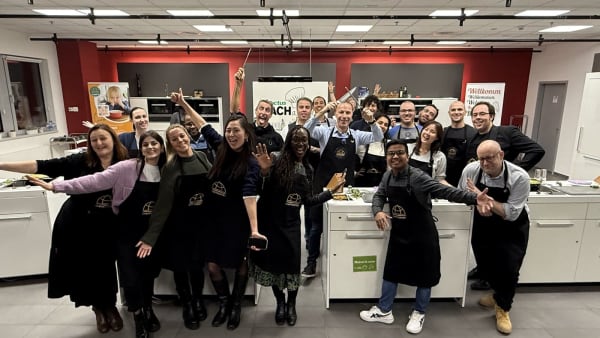

Teamwork cooking brings teams together around a shared, hands-on activity that builds collaboration, communication and trust in ways traditional meetings rarely do. After running hundreds of corporate cooking events—both in-person and virtual—we've seen that the success of a session hinges not on the menu but on choosing the right format, theme and provider for your team's unique goals and dynamics.
This guide walks through the essential decisions: assessing your team's objectives, navigating skill levels, choosing between in-person and virtual formats, setting a realistic budget, and vetting providers so you invest in an experience that genuinely strengthens workplace relationships.
Key takeaways
- Define clear team objectives (communication, trust, creativity or cross-functional connection) before choosing a class, so the format and theme align with what you want to achieve.
- Select an inclusive class that welcomes all skill levels; beginner-friendly formats with chef guidance ensure everyone participates without frustration.
- Decide between in-person and virtual based on your team's location and work patterns—virtual works well for distributed teams, while in-person suits co-located or hybrid groups gathering on-site.
- Involve your team in the choice (via a quick survey or discussion) to boost buy-in and ensure the theme and time suit the majority.
- Research the provider's track record, instructor credentials and flexibility; a strong provider adapts the session to your group size, dietary needs and timing constraints.
Why teamwork cooking works for corporate teams
Teamwork cooking creates a setting where hierarchies flatten and people collaborate on equal footing. Chopping, stirring and plating together requires coordination, clear communication and mutual support—the same behaviours that drive performance at work. We've observed that quieter team members often speak up more easily when they're holding a wooden spoon than when they're in a boardroom.

Shared cooking sessions also build what researchers call social capital—the network of relationships that help work flow across silos. Research from McKinsey links stronger workplace networks to higher engagement and belonging, and three in four cross-functional teams underperform on key metrics—concentrated experiences that rebuild weak ties can unblock work the org chart cannot.
Cooking together delivers a tangible, edible outcome. Unlike workshops that end in abstract action points, a teamwork cooking session concludes with a meal everyone created together—a memory that lingers far longer than a deck.
Assess your team's goals and dynamics before booking
The first step in choosing the right teamwork cooking class is understanding what you want to achieve. A class designed to onboard new hires looks different from one aimed at rebuilding trust after a reorganisation or celebrating a product launch.
Define clear team objectives
Ask yourself: are we trying to improve communication, foster creativity, break down silos, reward a high-performing team, or simply reconnect colleagues who've been remote for months? Clear objectives shape every decision—format, duration, theme and provider.
If your goal is to onboard new team members quickly, choose a shorter, energetic session with simple recipes that encourage conversation. If you're addressing low morale or engagement challenges (global employee engagement sits at just 20% according to Gallup's 2026 report), opt for a longer, relaxed format that prioritises connection over complexity.
Consider team composition and personalities
Think about the personalities, work styles and preferences within your group. Do you have introverts who might feel overwhelmed by a high-energy competitive cook-off? Are there cultural dietary preferences or restrictions you need to accommodate?
We recommend involving the team early. A quick survey or informal discussion reveals preferences and builds buy-in—people are more excited about an event they helped shape. This sense of ownership turns a mandated team-building slot into an experience colleagues genuinely look forward to.
Match the class to your team's skill levels
Every team includes a mix of confident home cooks, complete beginners and people who haven't touched a knife outside of spreading butter. The worst outcome is a session where half the group feels lost and the other half feels bored.
Choose inclusive, beginner-friendly formats
After hundreds of sessions, we've found that beginner-friendly classes with clear chef guidance work best for mixed-ability corporate groups. Everyone can participate, learn something new and contribute without anxiety.
Look for classes that break recipes into simple, manageable steps and assign roles within small breakout teams. One person chops, another sautés, a third plates—everyone plays a part, and no one is left behind. Avoid overly technical formats (soufflés, molecular gastronomy, complex knife skills) unless your team is genuinely enthusiastic and experienced.
Tiered options and progressive challenges
Some providers offer tiered sessions where beginners start with foundational techniques (knife skills, sautéing, emulsions) while more advanced participants tackle a complex element of the same dish. This parallel-track approach keeps everyone engaged without splitting the group entirely.
Explore cooking class themes that resonate with your team
The cuisine and theme you choose set the tone for the entire event. A relaxed Italian pasta-making session feels different from a fast-paced Asian street-food challenge or a seasonal celebration menu.
Align the theme with team interests and company culture
If your company values sustainability, consider a zero-waste or plant-based cooking session. If you're a global team, celebrate that diversity with a regional cuisine relevant to your colleagues—Luxembourgish cuisine, Indian street food, Japanese sushi or Middle Eastern mezze.
Seasonal themes work well for milestone events. A festive holiday menu or a Chinese New Year feast ties the session to a shared calendar moment and creates natural conversation topics.
Balance fun with learning
The best teamwork cooking sessions blend enjoyment with skill-building. Participants should leave with a new technique (how to properly dice an onion, how to balance flavours, how to plate beautifully) and a sense of accomplishment, not just full stomachs.
Interactive elements—tasting challenges, ingredient guessing games, plating competitions judged by the group—add energy without turning the event into a stressful contest.
Decide between in-person and virtual cooking classes
Format is one of the biggest decisions. In-person and virtual teamwork cooking each have clear strengths, and the right choice depends on your team's location, work patterns and objectives.
In-person teamwork cooking: when proximity matters
In-person sessions create the richest sensory experience. Colleagues taste each other's dishes, share ingredients across tables, help troubleshoot a stuck sauce and sit down together for the meal. The physical proximity builds rapport faster than any screen can.
In-person works best for co-located teams, hybrid groups gathering on a designated office day, or off-site retreats. If your team is based in Luxembourg or a single city, an in-person cooking class in a professional kitchen or your own office space offers a memorable, high-touch experience.
Research from Bizzabo shows that 66% of event planners say face-to-face meetings are more valuable than before the pandemic, and 78% of organisers cite in-person events as their most impactful channel—teams still crave real-world connection.
Virtual teamwork cooking: flexibility for distributed teams
Virtual cooking classes solve the logistical challenge of distributed, remote or multinational teams. Everyone joins from their own kitchen, ingredients are delivered in advance, and a live chef guides the group through the recipe via video call.
We've run virtual cooking team-building sessions for teams spanning six time zones, and the format works remarkably well when designed properly. Breakout rooms encourage smaller-group collaboration, screen-sharing lets the chef demonstrate techniques up close, and the chat becomes a lively space for questions and encouragement.
The global virtual-events market is estimated at $288.4 billion in 2026, and a third of corporate events are still virtual—this is a durable, growing channel, not a pandemic stopgap.
Virtual is especially relevant in Luxembourg, where 47% of employees are cross-border workers and 27.3% sometimes work from home (versus 13.3% across the EU27)—an unusually distributed, multilingual workforce that benefits from flexible, location-independent connection.
Hybrid options
Some providers offer hybrid formats where part of the team gathers in a physical kitchen while remote colleagues join via live stream. This works for partially distributed teams but requires careful production (good cameras, audio, a host who actively bridges the two groups) to avoid creating a two-tier experience.
Consider duration, scheduling and team availability
The length of the session and when you schedule it significantly affect attendance, energy and outcomes.
Choose a realistic duration
Most corporate teamwork cooking classes run 90 minutes to three hours. Shorter sessions (90–120 minutes) suit lunchtime slots or post-work events and focus on a single dish or course. Longer sessions (2.5–3 hours) allow for a full multi-course menu, more interaction and a sit-down meal together.
Avoid sessions longer than three hours unless it's a dedicated off-site or retreat day—attention and energy wane, and the event starts to feel like an obligation rather than a break.
Mind your team's workload and calendar
Schedule the session when your team can genuinely participate without distraction. Avoid end-of-quarter crunches, major project deadlines or Friday afternoons when people are mentally checked out.
Mid-morning or early afternoon slots work well for virtual sessions (people are alert, and it breaks up the screen day). Late afternoon or early evening suits in-person events, especially if you'll share the meal together afterward.
Flexible providers will work around your constraints—offering multiple date options, accommodating last-minute participant changes and adjusting timing to fit your rhythm.
Set a realistic budget and understand what drives cost
Budgeting for teamwork cooking requires understanding what you're paying for: instructor fees, ingredients, logistics, equipment, venue rental (for in-person) or ingredient shipping (for virtual).
Typical cost drivers
For in-person classes, expect costs to include the chef or instructor, fresh ingredients for all participants, kitchen or venue hire (if not using your office), equipment and any themed décor or branded materials. Costs scale with group size, menu complexity and location.
For virtual sessions, the main costs are ingredient kits (sourced, packed and shipped to each participant), the live chef host, platform fees and coordination. Shipping across borders or to remote addresses adds cost and lead time.
Explore group discounts and corporate packages
Many providers, including ChefPassport, offer tiered pricing for larger groups or repeat bookings. If you're planning quarterly team events, ask about annual packages or volume discounts.
Think return on investment, not just cost per head
A well-chosen teamwork cooking session is an investment in morale, retention and collaboration. Research from Gallup and Workhuman found that well-recognised employees were 45% less likely to have left their employer two years later—visible, experiential recognition matters.
Compare the cost of a cooking class (typically €50–150 per person depending on format and menu) to the cost of replacing a disengaged team member or the productivity lost when silos persist. The ROI case is strong when the event genuinely improves connection and belonging.
Research and vet your cooking class provider carefully
Not all cooking class providers are built for corporate team events. The instructor's facilitation skills, logistical competence and flexibility matter as much as their culinary expertise.
Check reviews, testimonials and track record
Look for providers with a proven corporate client list and positive testimonials. Ask for case studies or references from companies similar in size or industry to yours.
Read reviews carefully—look for mentions of responsiveness, adaptability, dietary accommodation, timing and whether the event genuinely brought the team together or felt like a scripted performance.
Evaluate instructor credentials and teaching style
A great chef is not automatically a great instructor. Corporate teamwork cooking requires someone who can read the room, adjust pacing on the fly, encourage participation from quieter members and keep energy high without being overbearing.
Ask to meet or speak with the instructor beforehand, watch a demo video, or request a short trial session if budget allows. The instructor's warmth, clarity and enthusiasm set the tone for the entire event.
Confirm flexibility and customisation
Your team is unique—dietary restrictions, cultural preferences, timing constraints, branding requests. A good provider asks questions, listens and tailors the session rather than offering a one-size-fits-all menu.
Can they accommodate vegan, halal, kosher or allergen-free requirements? Will they adjust the difficulty level if your team is mostly beginners? Can they incorporate your company values or a campaign theme into the session narrative?
Flexibility is a strong signal of a provider who understands corporate clients and will deliver a smooth, inclusive experience.

Involve your team in the decision to build excitement and buy-in
The most successful teamwork cooking events are those where the team feels consulted, not conscripted. Early involvement turns a top-down initiative into a shared experience colleagues anticipate.
Gather input through surveys or informal discussions
Send a brief survey asking about cuisine preferences, dietary needs, preferred timing and format (in-person vs virtual). Frame it as "help us design the best session for you" rather than "we've already decided and need your dietary restrictions."
Even a five-minute Slack poll or quick show-of-hands in a team meeting creates a sense of ownership and surfaces preferences you might not have guessed.
Communicate the "why" clearly
Let the team know why you're investing in this experience. Is it to reconnect after months of remote work? Celebrate a milestone? Build trust within a newly formed cross-functional squad?
Transparency about intent increases participation quality. People show up differently when they understand the session is designed to help them connect, not to fill a mandatory team-building quota.
What to expect during a teamwork cooking session
Understanding the typical flow helps set expectations and prepare your team.
Welcome, introduction and icebreaker
Most sessions begin with a brief welcome, an introduction to the menu and a light icebreaker (e.g., "What's your go-to comfort food?" or "What's the last thing you cooked at home?"). This eases people in and sets a relaxed tone.
Demonstration and guided cooking
The chef demonstrates key techniques—how to properly mince garlic, how to tell when a sauce is emulsified, how to fold pasta dough—then teams work through their recipes with live guidance. In virtual sessions, the chef moves between breakout rooms or monitors progress via video.
Expect laughter, questions, minor mishaps (burnt garlic, over-salted broth) and spontaneous collaboration. These moments are where the real team-building happens.
Plating, tasting and reflection
Teams plate their dishes, share photos and taste each other's creations. Some providers include a light judging element or peer voting, but the focus should be celebration, not competition.
Many sessions close with a brief reflection: "What did you learn?" or "What surprised you about working together in this format?" This cements the experience and surfaces insights that transfer back to the workplace.
Common mistakes to avoid when choosing a teamwork cooking class
After running hundreds of events, we've seen the same pitfalls trip up well-meaning organisers:
- Choosing a menu that's too complex or niche. A deconstructed tasting menu or advanced patisserie frustrates beginners and drains energy. Simple, flavourful dishes work best.
- Ignoring dietary restrictions or preferences. Accommodate vegan, vegetarian, gluten-free, halal and allergen needs from the start—retrofitting a menu at the last minute creates stress and exclusion.
- Booking without involving the team. Surprise events can backfire if the timing, theme or format doesn't suit the group. A quick poll avoids this entirely.
- Overlooking logistical details. For virtual events, confirm ingredient delivery timelines and participant addresses early. For in-person, check kitchen equipment, parking, accessibility and timing well in advance.
- Selecting the cheapest option without vetting quality. A poorly run session wastes time and damages morale. Invest in a provider with proven corporate experience and strong reviews.
How ChefPassport designs teamwork cooking experiences for corporate teams
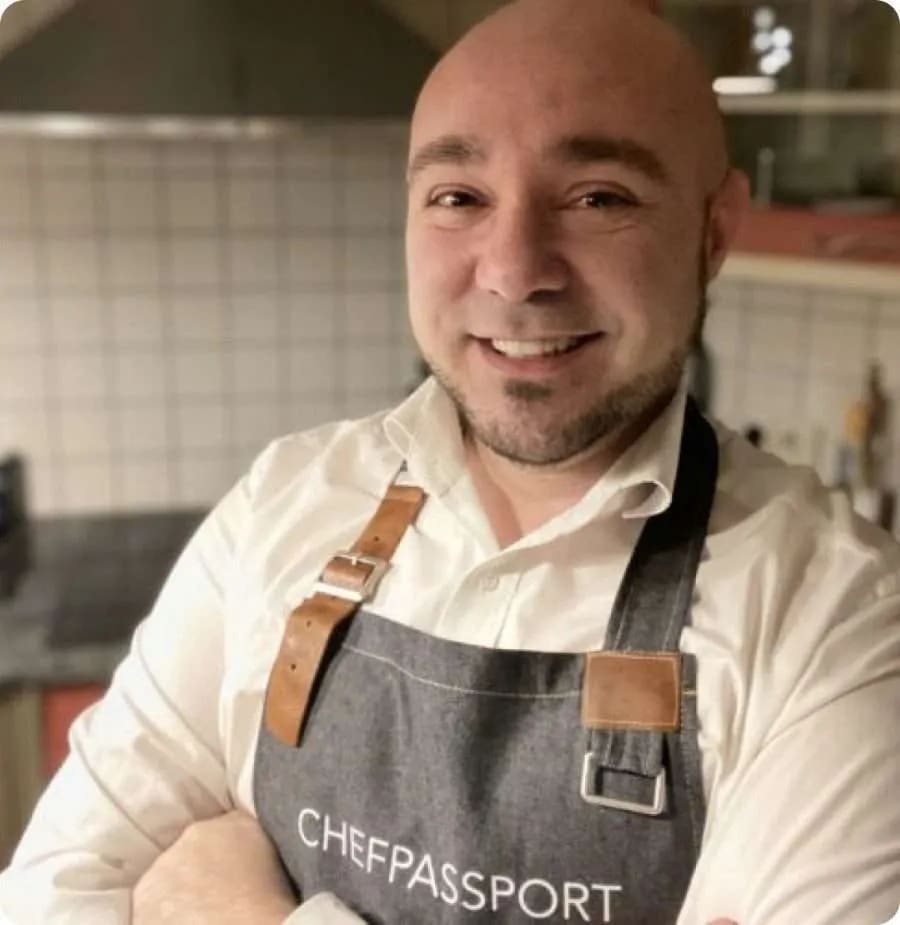
At ChefPassport, we've designed and delivered corporate cooking events for Amazon, Google, the European Central Bank, Deloitte, JP Morgan and over 200 companies. We've learned that the best sessions balance structure with spontaneity, challenge with accessibility, and fun with meaningful connection.
Our in-person cooking classes in Luxembourg bring teams together in professional kitchens or your own office space, with menus tailored to your goals, dietary needs and team composition. Our virtual cooking classes reach distributed teams worldwide, with ingredient kits delivered to each participant and live chefs who create energy and interaction across screens.
We don't offer one-size-fits-all menus. Every session starts with a conversation: What do you want your team to feel? What challenges are you navigating? What would make this event genuinely valuable? From there, we design the format, choose the cuisine and brief the chef so the session aligns with your reality, not a generic template.
Whether you're onboarding new hires, reconnecting remote colleagues, breaking down silos or simply rewarding a team after a tough quarter, we'll help you choose the right teamwork cooking experience—and deliver it with care, competence and genuine warmth.
Final thoughts: choosing the right teamwork cooking class is an investment in your team's connection
Teamwork cooking works because it's real, human and shared. It bypasses the usual workplace scripts and creates space for people to collaborate, laugh, learn and connect over something tangible and enjoyable.
The right class—matched to your team's goals, skill levels, format preferences and budget—becomes a highlight of the year and a touchstone colleagues refer back to months later. The wrong class, chosen hastily or without thought, feels like wasted time.
Take the time to assess your objectives, involve your team, vet your provider and design a session that genuinely serves the people in the room (or on the call). The return—in morale, trust, collaboration and belonging—will far outweigh the investment.
Ready to explore teamwork cooking for your team? Browse our in-person cooking classes in Luxembourg or discover our virtual team-building options for distributed teams worldwide.
Planning a team event?
ChefPassport runs hands-on cooking experiences for corporate teams — in person at Kachatelier, Luxembourg, and virtually worldwide. Instant price estimate on the site.
Frequently asked questions
Free guide
Team Building Menu & Pricing Guide
Menus, group sizes, formats and indicative pricing — everything you need to plan, in two PDFs. No spam, unsubscribe anytime.