
Research consistently shows that the first 90 days determine whether a new hire stays for the long term. Culture fit, team relationships, and a sense of belonging are the leading predictors of retention — and they're all set during that initial window.
The problem is that most onboarding programmes focus on the transactional: system access, compliance training, process documentation. These are necessary, but they don't create belonging. That requires a different kind of investment.
What actually creates connection quickly
Connection comes from shared experience, not shared information. Sitting in the same orientation session doesn't bond people — it just puts them in the same room. What bonds people is doing something together that involves some level of challenge, vulnerability, or creative output.
The most effective onboarding activities have three features:
- A shared novice baseline — activities where everyone is equally inexperienced remove the seniority dynamic and the "new person disadvantage."
- Physical doing — making something with your hands creates a different kind of engagement than talking or listening.
- A shared output — something the whole group made or achieved together, which becomes the first shared story.
The best onboarding activities
1. Cooking class (in-person or virtual)
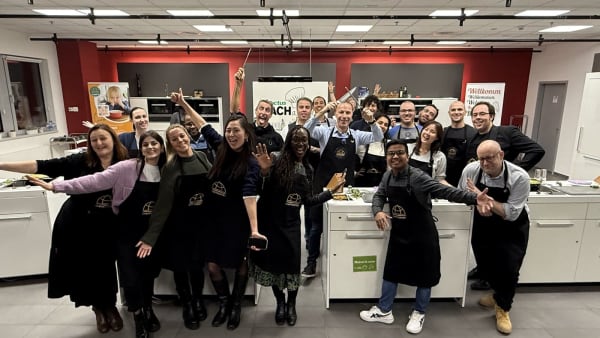
Consistently the highest-rated onboarding activity we run. New hires and established colleagues follow the same chef, make the same food, and eat together — all within about two hours. The combination of novice starting point, physical engagement, and shared meal makes it more effective than any icebreaker format.
For in-person teams in Luxembourg: ChefPassport at Kachatelier, groups of 8–40. For remote hires: virtual cooking class with worldwide ingredient delivery.
2. City or neighbourhood exploration
For teams based in a physical location, a guided or self-guided exploration of the area creates shared local knowledge and natural conversation. In Luxembourg, this might be a walk through the old town with stops at meaningful locations. Simple, low-cost, and surprisingly effective.
3. Team challenge (escape room or problem-solving)
Escape rooms and similar challenge formats work well for analytically-oriented teams. The collaborative pressure reveals how people think and communicate under stress — valuable information for a new team. Best for groups of 6–15.
4. Workshop or skills session
A session where an expert teaches the whole group something new — photography, mixology, pottery, a language — creates shared novelty. The key is choosing something genuinely interesting rather than obviously work-related.
5. Informal meal together
Never underestimate a good lunch. Unstructured shared meals have been building team relationships since long before "team building" was a category. The difference from a cooking class is that cooking produces the meal collaboratively — the making is as important as the eating.
Onboarding remote and hybrid new hires
The hardest onboarding challenge today is the distributed new hire — someone who joins a team they've never met in person. Standard onboarding activities often inadvertently exclude them: they watch the team do something together on camera rather than participating.
The fix is to choose activities designed for genuine remote participation. A virtual cooking class where every participant — office-based and remote — cooks simultaneously from their own kitchen is the closest to an equal shared experience you can create without everyone being in the same room.
For truly distributed teams joining from multiple countries, worldwide ingredient kit delivery (available through ChefPassport's HelloFresh partnership) means no participant has to source ingredients themselves — everyone just opens the box and cooks.
Timing and sequencing
The best onboarding activity is the first thing the new team does together — before individual tasks, before system setup if possible. Some companies run a cooking lunch on Day 1; others wait until the end of Week 1 to let people settle.
One underrated option: run the onboarding activity before the formal start date, as a "welcome to the team" moment. It sets a tone of investment and warmth before the operational stress begins.
Planning a team event?
ChefPassport runs hands-on cooking experiences for corporate teams — in person at Kachatelier, Luxembourg, and virtually worldwide. Instant price estimate on the site.
Frequently asked questions
Free guide
Team Building Menu & Pricing Guide
Menus, group sizes, formats and indicative pricing — everything you need to plan, in two PDFs. No spam, unsubscribe anytime.