
Luxembourg is often described as the meeting point of French, German, and Belgian culinary influences — which is true but undersells it. Luxembourgish cuisine has its own distinct identity, shaped by geography, history, and an agricultural tradition that predates the country's current status as Europe's financial capital.
For corporate events in Luxembourg, cooking Luxembourgish food is an opportunity that most companies miss entirely. While Italian pasta and Thai curry are crowd-pleasers, a Luxembourgish cooking session gives international colleagues something genuinely local — a connection to the place they work in that no conference room presentation can replicate.
What defines Luxembourgish cuisine
Luxembourgish cooking is fundamentally a peasant cuisine elevated. Historically, it drew on whatever the land produced: potatoes, beans, pork, river fish, and forest mushrooms. The influence of France brought technique and sauces; Germany brought the love of bread, sausages, and hearty stews. The result is food that is deeply comforting without being heavy — more refined than German, more rustic than French.
Seasonality is more pronounced in Luxembourgish cooking than in most national cuisines. Dishes follow the agricultural calendar closely, which means a corporate event in autumn will produce something entirely different from one in spring.
The dishes every corporate visitor should know
- Judd mat Gaardebounen — the national dish. Smoked pork collar with broad beans in a cream sauce. Rich, deeply savoury, and entirely unlike anything served at an airport hotel buffet.
- Gromperekichelcher — potato fritters seasoned with onion and parsley. The Luxembourgish street food par excellence, sold at every Schueberfouer (the annual fair). Simple to make, impossible to eat just one.
- Rieslingspaschtéit — a pastry filled with forcemeat, bathed in a Riesling cream sauce. Technically demanding but spectacular. The dish that most impresses international guests who expect simple food.
- Bouneschlupp — green bean soup with potatoes, bacon, and créme fraîche. The comfort food of Luxembourg, served at almost every family table from September through November.
- Quetschentaart — plum tart on a yeast dough base, made with Quetsch plums (a dark, dense variety found in Luxembourg and Alsace). The dessert of autumn.
Luxembourg's wine culture
The Moselle valley running along Luxembourg's eastern border produces some of Europe's most underappreciated white wines. The combination of slate soils, continental climate, and Alsatian grape varieties (Riesling, Pinot Gris, Gewurztraminer) creates wines with remarkable freshness and minerality.
For corporate events, the Crémant de Luxembourg deserves particular attention. Made by the traditional method (same as Champagne), it's elegant, well-priced, and gives guests something genuinely local to discover. Producers like Clos des Rochers, Domaine Aly Duhr, and Château de Schengen produce consistently excellent bottles.
Pairing wines from the Moselle with Luxembourgish food — particularly the fish dishes (pike, trout) and the lighter pork preparations — is one of those combinations that feels obvious in retrospect and surprising the first time.
Why Luxembourgish cooking works for international teams
Luxembourg has one of the most internationally diverse workforces in the world — over 70% of employees in the financial sector are non-nationals. For these teams, cooking Luxembourgish food is a form of cultural integration that no orientation programme achieves: it gives people a direct, tactile connection to the country they're working in.
The reactions from international colleagues are consistently positive, precisely because the cuisine is unfamiliar. Unlike Italian or French cooking — which most European professionals feel they already understand — Luxembourgish food comes without preconceptions. Everything is genuinely new, which levels the playing field and generates real curiosity.
And the food is genuinely good. Which, ultimately, is the most important thing.
Planning a team event?
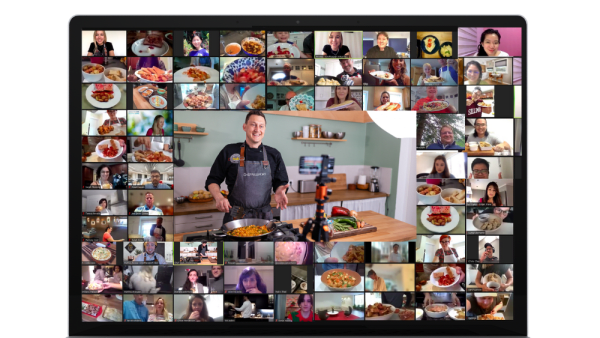
ChefPassport runs hands-on cooking experiences for corporate teams — in person at Kachatelier, Luxembourg, and virtually worldwide. Instant price estimate on the site.
Frequently asked questions
Free guide
Team Building Menu & Pricing Guide
Menus, group sizes, formats and indicative pricing — everything you need to plan, in two PDFs. No spam, unsubscribe anytime.