
Remote teams face a fundamental problem: culture doesn't form by accident the way it does when people share a physical space. In an office, team identity builds through thousands of micro-interactions — the coffee queue conversation, the impromptu desk visit, the end-of-day debrief. Remote work eliminates all of these.
The companies that build strong remote cultures don't leave it to chance. They design intentional shared experiences, repeatedly, until those experiences become the new shared history.
Synchronous ideas: doing things together in real time
Synchronous activities — where the whole team is online at the same time — have the highest bonding value but the highest coordination cost. They require everyone to commit the same calendar slot, which is harder across timezones.
Virtual cooking class
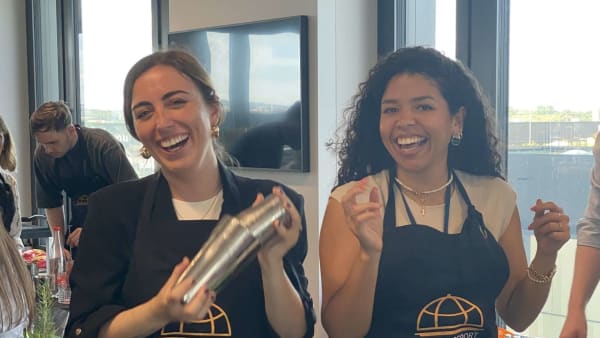
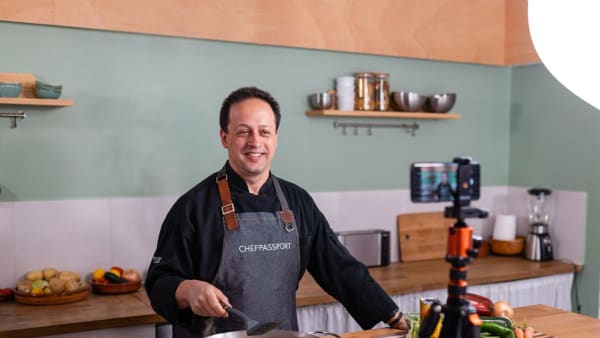
The most effective synchronous remote team building activity we've seen, bar none. Everyone cooks the same dish — fresh pasta, sushi rolls, pad Thai — from their own kitchen, guided by a live chef. The physical engagement means people are genuinely present (not multitasking), and the shared meal at the end creates the kind of real memory that a quiz night simply doesn't.
ChefPassport's remote team cooking events include worldwide ingredient kit delivery, a chef, and a dedicated event producer. They run on Zoom, Teams, or Meet — no new software required.
Virtual escape room (collaborative)
Browser-based escape rooms designed for remote teams work well for groups who enjoy puzzles. The key is choosing a version with a live facilitator (not self-guided) who can pace the experience and inject energy when needed.
Online murder mystery
Best for creative teams of 12–25. Well-produced versions with professional actors create genuine energy. Avoid self-guided PDF versions — they require too much self-direction and lose momentum.
Virtual trivia and quiz nights
Lower bonding value than the above, but easy to run regularly. Best positioned as a monthly social ritual rather than a quarterly "team building" event. Good for teams that already have a playful culture.
Asynchronous ideas: rituals that don't require everyone online at once
Asynchronous team building works across timezones and gives introverts space to contribute. The challenge is creating experiences with enough texture to be genuinely social, not just administrative.
- Team cookbook challenge — each team member submits their favourite recipe from their home country or childhood. Compile into a shared digital cookbook. Low effort, high cultural value for international teams.
- Photo challenge Slack channel — weekly prompts (your desk, your lunch, your neighbourhood) build personal context without meetings. Runs itself once started.
- Async recognition system — tools like Bonusly or a simple Slack channel where people call out colleagues for specific behaviours. Builds the habit of noticing and appreciating each other.
- Learning pods — pairs or trios who meet bi-weekly to share a skill or explore a topic together. More structured than casual coffee chats but lower overhead than company-wide events.
Building a remote team building calendar
The teams with the strongest remote cultures don't rely on a single annual event. They run a layered programme:
- Weekly: casual touchpoints (async photo challenges, recognition Slack channel)
- Monthly: one synchronous social event (trivia night, coffee roulette, casual call)
- Quarterly: one substantive shared experience (cooking class, escape room, workshop)
- Annually: in-person gathering if budget and logistics allow
The quarterly cooking class is the anchor — the event people actually look forward to and talk about afterward. Everything else supports it.
Making remote events inclusive
Remote teams are often diverse across culture, language, ability, and timezone. A few principles that help:
- Choose activities where no single language or cultural background confers an advantage. Cooking is a natural equaliser — everyone starts as a beginner.
- Offer camera-optional periods. Not everyone is comfortable on camera in their home environment.
- Adapt dietary options proactively — don't make people ask. Vegetarian, vegan, and allergen-free versions should be the default offering, not an afterthought.
- Consider timezone equity when scheduling. Rotate the "least convenient timezone" rather than consistently disadvantaging the same group.
Planning a team event?
ChefPassport runs hands-on cooking experiences for corporate teams — in person at Kachatelier, Luxembourg, and virtually worldwide. Instant price estimate on the site.
Frequently asked questions
Free guide
Team Building Menu & Pricing Guide
Menus, group sizes, formats and indicative pricing — everything you need to plan, in two PDFs. No spam, unsubscribe anytime.