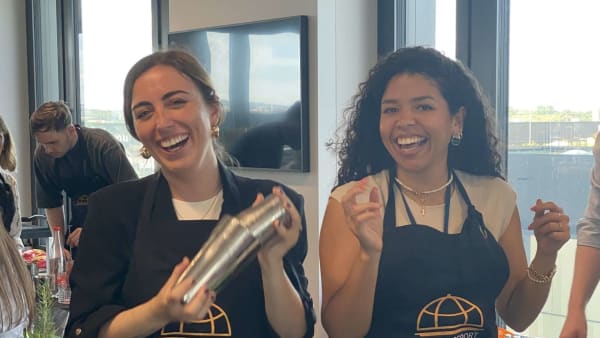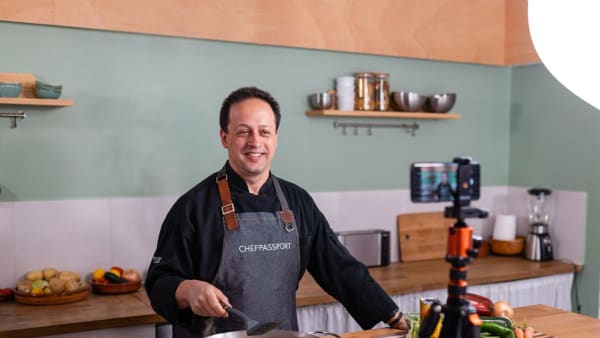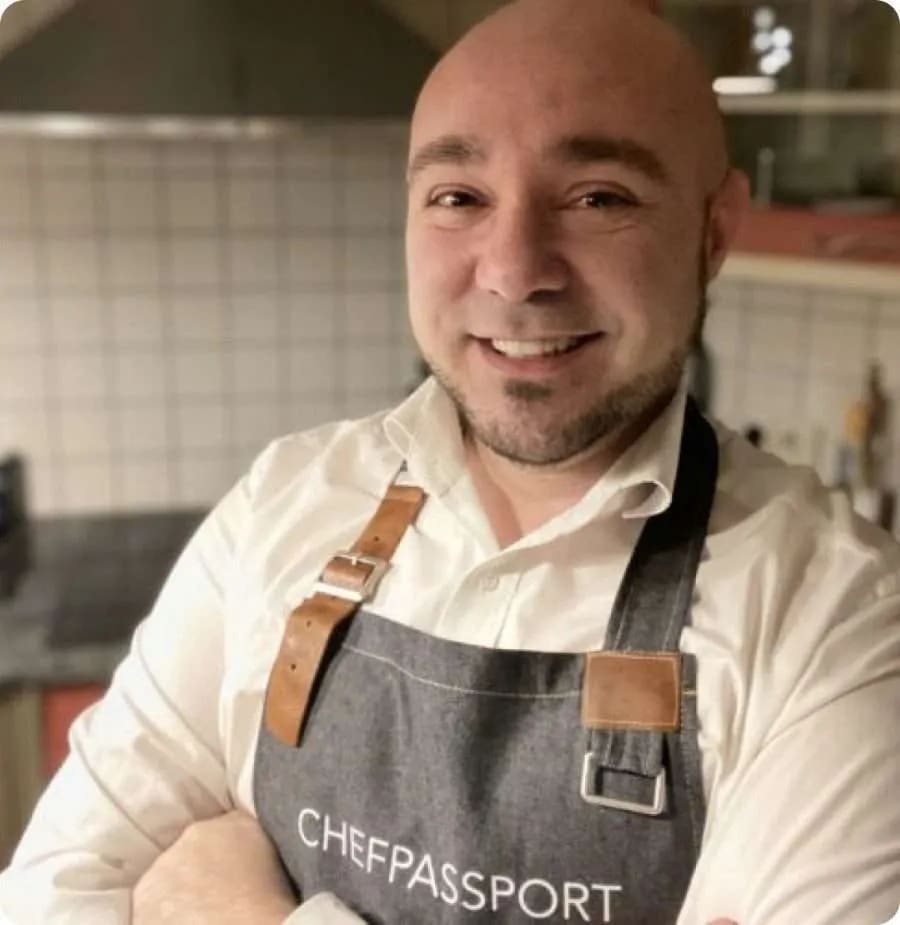

Corporate virtual cooking classes are interactive, chef-hosted online sessions in which remote or hybrid teams cook together in real time from their own kitchens. Participants receive ingredient kits or shopping lists in advance, then join a live video call led by a professional chef who guides the group through preparing a complete menu—creating a shared, hands-on experience that builds connection, conversation and collaboration across geographical boundaries.
For teams working across continents or simply from home offices, virtual cooking classes solve a challenge passive webinars can't: the need for genuine interaction. Research from Gallup's 2026 State of the Global Workplace shows that remote employees can be more engaged than some peers but are also more likely to report stress, sadness and loneliness—one reason companies invest in shared experiences for distributed teams. If you are comparing formats rather than reading up on one, start with our virtual team building cooking class overview.
Key takeaways
- Virtual cooking classes create active participation and real-time conversation, unlike watch-only webinars.
- They work for fully remote teams, hybrid groups and global audiences across multiple time zones.
- Chef-led guidance removes intimidation and ensures everyone, from confident cooks to total beginners, finishes a complete dish.
- Popular menus like Spanish tapas and Indian curries introduce cultural flavours while keeping ingredients accessible.
- The format suits team building, onboarding cohorts, client entertainment and milestone celebrations equally well.
Why virtual cooking classes work for corporate events
Virtual cooking classes turn a necessity—a distributed workforce—into an opportunity for shared experience. Unlike passive presentations, every participant is hands-on: chopping, stirring, tasting and talking in real time. This active involvement drives stronger engagement and memory retention.
After hosting hundreds of virtual sessions for multinational teams, we've seen that cooking together creates natural conversation starters that typical icebreakers struggle to match. Questions about ingredient substitutions, kitchen mishaps and flavour adjustments flow organically, revealing personality and humour that rarely emerges in a standard video call.

The global virtual-events market reached an estimated $288.4 billion in 2026, up from $235.4 billion in 2025—virtual is a durable, growing channel, not a pandemic stopgap. In Europe specifically, the virtual-events market is growing at approximately 18.1 per cent annually, driven by the need to connect dispersed workforces cost-effectively.
Active participation beats passive attendance
Research from Bizzabo's 2026 Event Marketing Statistics found that 53 per cent of attendees plan to attend more webinars, but 95 per cent of organisers say experiential learning matters—demand is for interactive, hands-on virtual formats over passive ones. Virtual cooking classes deliver exactly that: participants are cooking, not spectating.
Practical for distributed teams
When your colleagues span London, Luxembourg, Singapore and San Francisco, an in-person event means excluding someone or incurring significant travel cost. A virtual cooking class lets everyone join from their own kitchen, on equal footing. We've successfully run sessions with teams spread across nine time zones by scheduling thoughtfully and offering flexible menus that work at breakfast, lunch or dinner.
Lower cost, higher frequency
Without venue hire, catering minimums or travel budgets, virtual classes cost a fraction of in-person events—meaning you can run them more often. Quarterly team huddles, monthly onboarding cohorts and end-of-project celebrations all become viable when the budget per head is manageable and logistics are streamlined.
How virtual cooking classes for corporate events actually work
A successful virtual cooking class requires more than a Zoom link and a recipe. Here's the structure that ensures a smooth, engaging session for corporate teams.
Pre-event logistics and ingredient kits
Two to three weeks before the event, participants receive either a curated ingredient kit delivered to their door or a detailed shopping list with photos and substitution suggestions. Kits work best for teams in a single country; shopping lists suit global audiences or short lead times. Clear instructions and portion sizes eliminate guesswork.
We also send a short equipment checklist—knife, chopping board, saucepan, mixing bowl—so no one is surprised mid-session. For Luxembourg-based teams who sometimes work from home (27.3 per cent sometimes WFH versus 13.3 per cent EU27 average, according to EURES Labour Market Information), this advance clarity removes friction and builds confidence.
The live session: structure and pacing
Most corporate virtual cooking classes run 90 to 120 minutes. The chef opens with a warm welcome, introduces the menu and its cultural context, then guides the group step by step through each dish. Key techniques—knife skills, seasoning, heat control—are demonstrated on camera, then participants try them in their own kitchens.
Breakout rooms work well for larger groups (20-plus): small teams of four to six cook together, share screens and troubleshoot, while the chef and co-hosts rotate between rooms. This structure mirrors the intimacy of a small cooking class while scaling to enterprise size.

Interactivity: questions, troubleshooting and conversation
The best virtual cooking classes feel like a conversation, not a lecture. Participants ask questions in real time via chat or voice; the chef adapts pacing based on the group's progress. We encourage "show and tell" moments—hold your chopped onions to the camera, share your plated dish at the end—which create visibility and celebration.
Technical hiccups happen. Kitchens vary. Ingredients differ by region. A skilled host turns these moments into humour and learning rather than frustration, keeping energy high and participation inclusive.
Popular menus for virtual corporate cooking classes
Menu choice shapes the tone, difficulty and cultural conversation of your event. After hundreds of virtual sessions, two themes consistently engage corporate teams across industries and geographies.
Spanish tapas: shared flavours, lively conversation
Spanish tapas embody the spirit of communal dining. Small, vibrant dishes designed for sharing and conversation translate beautifully to a virtual format: each participant prepares two or three tapas, creating a varied spread they can enjoy during or after the session.

Patatas bravas are crispy roasted potatoes served with a spicy tomato sauce and garlicky aioli. Originating on the bustling streets of Madrid and Barcelona, this dish is forgiving, adaptable and delivers bold flavour with minimal technique—ideal for mixed-skill groups.
Sangria rounds out the menu. Participants muddle fresh fruit, mix Spanish wine with brandy and citrus, then chill the pitcher while cooking. By the time the tapas are plated, everyone has a vibrant drink to raise in a toast.
Other tapas favourites include pan con tomate (tomato-rubbed bread), tortilla española (potato omelette) and gambas al ajillo (garlic prawns). The menu is modular: teams can choose two, three or four dishes depending on time and ambition.
Indian cuisine: warmth, spice and storytelling
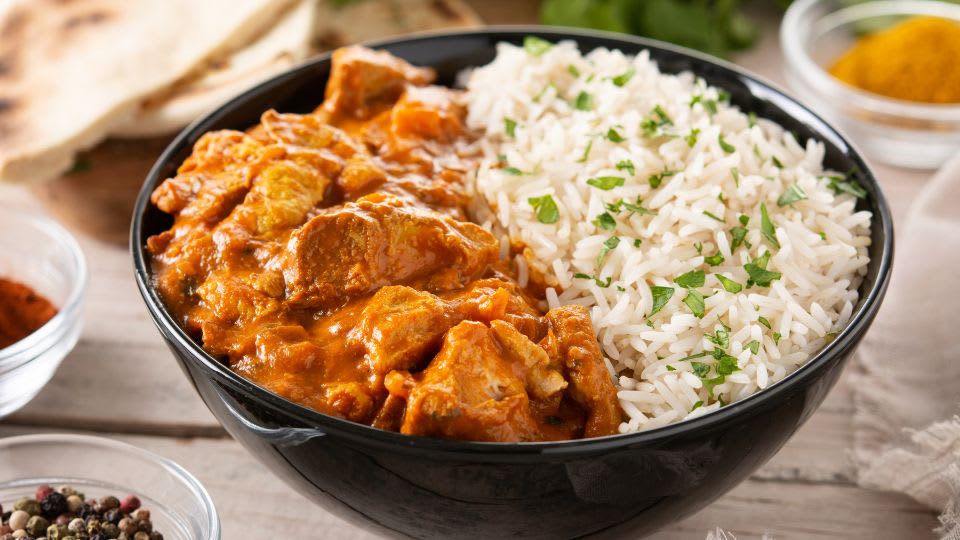
Indian cooking classes introduce participants to layered spice blends, aromatic bases and techniques like tempering and slow simmering. The cuisine's regional diversity—from North Indian curries to South Indian dosas—offers rich storytelling and cultural insight.
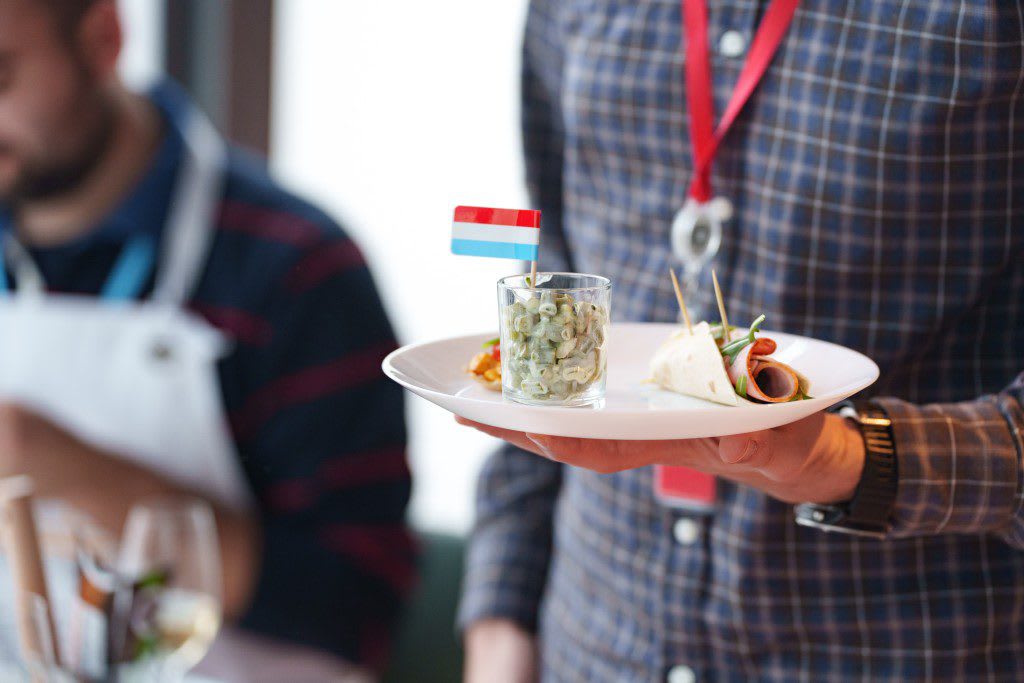
A typical session might include a simple dal (lentil curry), fragrant basmati rice, raita (yoghurt salad) and naan or roti. Participants learn to bloom whole spices in oil—a sensory moment that fills their kitchens with aroma and marks a tangible skill gained. The chef explains the role of each spice, building confidence for future experimentation.
Indian menus also accommodate dietary preferences naturally: many dishes are vegetarian or vegan by tradition, and ingredient swaps (coconut milk for cream, chickpeas for paneer) are straightforward.
Other menu themes that work well virtually
- Italian pasta and antipasti — fresh pasta from scratch, simple sauces, bruschetta.
- Mexican street food — tacos, guacamole, salsa verde, elote.
- Japanese home cooking — miso soup, onigiri, teriyaki, gyoza.
- French bistro classics — quiche, ratatouille, crêpes.
- Middle Eastern mezze — hummus, falafel, tabbouleh, flatbread.
The best menus balance accessibility (common ingredients, achievable techniques) with novelty (cultural context, flavours participants wouldn't cook at home). For guidance on selecting the right class for your team's goals and skill levels, see our guide on choosing the right cooking class.
What virtual cooking classes achieve for teams
Virtual cooking classes for corporate events deliver outcomes that matter to HR leaders, team managers and employees themselves. Here's what we've observed across hundreds of sessions.
Building connection across distance
Cooking together creates informal, human moments that formal meetings suppress. You see colleagues' kitchens, meet their pets, laugh at shared mistakes and celebrate small wins. These glimpses of personality strengthen relationships and make future collaboration easier.
McKinsey research links stronger workplace networks to higher sponsorship, belonging and engagement—the "social capital" case for bringing people together, even virtually.
Onboarding remote cohorts
New hires joining a distributed company often miss the spontaneous interactions that build camaraderie in a shared office. A virtual cooking class during the first or second week creates a relaxed, non-work environment where new colleagues learn each other's names, share stories and form bonds that persist into daily work.
For practical onboarding formats that bond people quickly, see our article on new team onboarding activities.
Breaking silos and strengthening cross-functional ties
McKinsey found that three in four cross-functional teams underperform on key metrics. Concentrated events that rebuild coordination and weak ties can unblock work the org chart cannot. A virtual cooking session brings together people from engineering, marketing, finance and operations who rarely interact day-to-day, creating informal connections that ease future collaboration.
Celebrating milestones and rewarding performance
A virtual cooking class is a tangible thank-you. After a tough quarter, a successful product launch or a merger integration, teams need recognition that feels personal and memorable. Cooking together—then sitting down to enjoy the meal—creates a shared achievement and a moment of genuine celebration.
Gallup and Workhuman research found that well-recognised employees were 45 per cent less likely to have changed employers two years later; higher-quality recognition is associated with much lower flight risk.

Introducing cultural diversity and inclusion
Cooking a dish from another culture opens conversation about ingredients, traditions, family stories and regional variations. These discussions build cultural awareness and appreciation in a way that feels natural, not forced. For globally distributed teams, exploring cuisines from colleagues' home countries validates identity and fosters inclusion.
For deeper insight into how food traditions shape corporate culture, read our guide to global food taboos and cultural sensitivity.
Common questions and practical concerns
What if participants have different skill levels?
Chef-led virtual cooking classes are explicitly designed for mixed-ability groups. Recipes are structured with clear, step-by-step guidance and visual demonstrations. Confident cooks can add flair or experiment; beginners follow the instructions closely. Both finish with a complete, delicious dish. We've successfully run sessions where one participant is a trained chef and another has never diced an onion—the format accommodates both.
How do you handle dietary restrictions and allergies?
Participants declare dietary needs during registration. Ingredient kits and shopping lists are then adapted: gluten-free flour, dairy-free cream, plant-based protein swaps. Most cuisines—especially Spanish tapas, Indian and Middle Eastern—offer naturally vegetarian, vegan or allergen-free options. The chef also suggests substitutions live during the session, so participants feel supported rather than excluded.
What about time zones for global teams?
For teams spanning extreme time zones (e.g., New York to Singapore), we recommend one of three approaches: run two separate sessions in regional clusters; choose a compromise time and make attendance optional; or record the session so those who cannot join live can cook along asynchronously and share photos in a group chat. The third option loses some interactivity but preserves the shared experience.
How long does a session need to be?
Ninety minutes works for a simple two-dish menu (e.g., one tapas and a drink, or a curry and rice). Two hours accommodates a fuller spread (three to four tapas, or a complete Indian thali). Shorter formats (60 minutes) suit lunch-break sessions with pre-prepped ingredients; longer sessions (2.5 hours) allow for more complex techniques like pasta or bread from scratch.
What equipment and space do participants need?
A standard home kitchen is sufficient. Essential tools: chef's knife, chopping board, saucepan, frying pan, mixing bowl, measuring spoons. A laptop or tablet positioned where the participant can see the screen while cooking works better than a phone. Good lighting and a stable internet connection improve the experience but aren't deal-breakers—we've run successful sessions with participants cooking on mobile hotspots.
Can you accommodate very large groups?
Yes. We've hosted virtual cooking events for groups of 200-plus by using breakout rooms, multiple co-hosts and a lead chef who rotates between rooms. Each breakout becomes an intimate cooking session of six to eight people, preserving the personal feel while scaling the format. A shared plenary at the start and end—welcome, toast, group photo—anchors the larger group.
Virtual cooking classes versus other remote team-building formats
How do virtual cooking classes compare to other popular remote engagement formats?
| Format | Interactivity | Skill gained | Longevity of memory | Cost per head |
|---|---|---|---|---|
| Virtual cooking class | High – hands-on, live Q&A | Culinary technique, recipe | Strong – sensory, practical | Moderate |
| Online quiz / trivia | Medium – answer questions | General knowledge | Low – fleeting fun | Low |
| Escape room (virtual) | High – problem-solving | Collaboration, logic | Medium – shared challenge | Moderate |
| Webinar / guest speaker | Low – mostly passive | Insights, inspiration | Low to medium | Low to high |
| Virtual coffee chat | High – open conversation | None | Low – depends on facilitation | None |
Virtual cooking classes uniquely combine high interactivity, tangible skill-building and a sensory, memorable experience—participants can literally taste the outcome. For a broader comparison of virtual team-building formats that work, see our guide to virtual team-building activities that actually work.
Tips for organising a successful virtual cooking class
After hosting hundreds of corporate virtual cooking events, these operational details make the difference between a good session and a great one.
Send ingredients and instructions early
Two weeks' notice is ideal. Participants need time to receive kits, shop for ingredients or flag issues (allergies, missing items, travel). A reminder email 48 hours before the session with a final checklist reduces day-of stress.
Run a short tech check
Offer a 15-minute optional tech rehearsal the day before for anyone uncertain about their setup. This catches audio problems, camera angles and connectivity issues before the main event, so the chef can focus on cooking rather than troubleshooting.
Appoint co-hosts for groups over 20
One host cannot monitor chat, manage breakout rooms, answer questions and cook simultaneously. A co-host (or two) keeps the session smooth, responds to technical issues and ensures no one is left behind.
Build in buffer time
Not everyone chops at the same speed. Schedule realistic timings and reassure slower participants that it's fine to finish after the session ends. The chef can offer shortcuts (pre-shredded veg, tinned tomatoes) for those who need them without slowing the group.
Create a shared album or chat for photos
Encourage participants to photograph their finished dishes and share them in a group channel (Slack, Teams, WhatsApp). This extends the experience beyond the session, celebrates individual efforts and creates content for internal communications.
When to choose virtual versus in-person cooking classes
Both formats have their place. Virtual cooking classes suit distributed, hybrid or budget-conscious teams who need frequent, repeatable engagement. In-person classes deliver deeper immersion, stronger sensory impact and more spontaneous interaction—ideal for milestone celebrations, leadership offsites or Luxembourg-based teams looking for a premium local experience.
Bizzabo's 2026 data shows the event mix is now 63 per cent in-person, 33 per cent virtual and 4 per cent hybrid—in-person is the anchor, but a third of events are still virtual. The question isn't which is better, but which fits your goals, audience and logistics.
For Luxembourg-based teams, explore our in-person corporate cooking classes in Luxembourg. For distributed teams worldwide, our virtual team-building cooking classes deliver the same expert instruction and connection from any kitchen.
Why ChefPassport's virtual cooking classes work
We've been running virtual corporate cooking events since 2019, long before remote work became universal. Our chefs are experienced hosts and teachers, not just skilled cooks—they read the room, adjust pacing and turn mistakes into learning moments. Menus are tested for virtual delivery: ingredients are accessible, techniques are demonstrable on camera and timing is realistic for home kitchens.
We've hosted sessions for Amazon, Google, the European Central Bank, Deloitte and 200-plus other companies, from Luxembourg startups to global enterprises. Participants join from home offices in London, Singapore, New York and Nairobi, cooking Spanish tapas at breakfast or Indian curries at dinner, and finish with a meal they made themselves and a story to share.
If your team is distributed, hybrid or simply remote for now, a virtual cooking class turns the distance into an asset—not a barrier. It's team building that tastes good.
Ready to bring your remote team together over a shared meal? Explore our virtual team-building cooking classes and find a menu that fits your team's taste and goals.
Planning a team event?
ChefPassport runs hands-on cooking experiences for corporate teams — in person at Kachatelier, Luxembourg, and virtually worldwide. Instant price estimate on the site.
Frequently asked questions
Free guide
Team Building Menu & Pricing Guide
Menus, group sizes, formats and indicative pricing — everything you need to plan, in two PDFs. No spam, unsubscribe anytime.