
Food is never just nourishment. Every culture draws its own line between delicacy and forbidden, and those lines reveal history, religion, geography and identity in a single bite.
Here are 15 food taboos from around the world — what they are, where they come from, and what they tell us about the people who hold them.
Why this matters
Food taboos aren't trivia — they're the etiquette of the shared table. For international teams, knowing them is the difference between an awkward dinner and a genuinely inclusive one. Food is the fastest, friendliest way to understand a culture.
1. Japan — Fugu (pufferfish)
Fugu contains tetrodotoxin potent enough to be lethal, so only chefs licensed after years of training may prepare it. The taboo isn't eating it — it's eating it from anyone unqualified. A dish that sits permanently between delicacy and danger.

2. India — the sacred cow
In Hinduism the cow is revered as a symbol of life and nourishment, so beef is widely avoided and its slaughter restricted in many states. For hundreds of millions of people, this is one of the deepest dietary lines of all.
3. Iceland — Hákarl (fermented shark)
Greenland shark is toxic when fresh, so Icelanders bury and ferment it for months to make it safe. The result has a famously powerful ammonia smell — a national delicacy that many visitors can't get past.
4. China — the symbolic banquet
Chinese dining is full of symbolism: serving fish whole signals abundance, certain numbers and pairings carry meaning, and how a dish is presented can matter as much as taste. Breaking the symbolism, not the menu, is the taboo.

5. Madagascar — no lemur
Many Malagasy communities observe fady (taboos) that forbid eating lemurs, often tied to ancestral belief that the animals carry the spirits of forebears. The result is both cultural respect and informal conservation.

6. Italy — cappuccino after noon
A social taboo rather than a prohibition: Italians treat milky coffee as a morning-only ritual and switch to espresso after meals. Order a post-lunch cappuccino and you'll be served — and immediately marked as a tourist.
7. Indonesia — durian in closed spaces
The "king of fruits" is beloved for its taste but so pungent it's banned from many hotels, planes and public transport across Southeast Asia. The fruit isn't forbidden — bringing its smell indoors is.
8. Ghana — crocodile in sacred areas
In and around communities like Paga, where crocodiles are considered sacred and protected, eating them is strictly taboo. The reptiles live alongside people as revered, untouchable neighbours.

9. Israel & Jewish communities — pork
Pork is treif (non-kosher) under Jewish dietary law, one of the most enduring food prohibitions in the world. The same applies in Islam, where pork is haram — together covering a huge share of the global population.
10. Korea — certain "slippery" sea creatures
Some Korean delicacies, like live octopus (sannakji), are prized but come with real caution — the still-moving suckers pose a genuine choking risk, making preparation and eating an art of respect.
11. Mexico — escamoles (ant eggs)
Known as "insect caviar," ant larvae are a prized pre-Hispanic delicacy in central Mexico. To outsiders the idea is off-putting; to locals it's a buttery, seasonal treat with deep culinary heritage.

12. Egypt — catfish
In parts of Egypt, catfish carries a cultural stigma tied to old beliefs about the waters it feeds in, so it's avoided despite being widely available. A reminder that "edible" and "acceptable" aren't the same thing.
13. Sweden — Surströmming (fermented herring)
Fermented Baltic herring so notoriously smelly that cans are traditionally opened outdoors. Swedes celebrate it; the rest of the world treats opening a tin as an extreme challenge.

14. Polynesia — bananas on boats
Across parts of Polynesia and the wider fishing world, bananas are considered bad luck on boats — blamed for poor catches and mishaps. A superstition strong enough to keep them off the deck entirely.
15. Ethiopia — Kitfo and raw meat ritual
Raw minced beef dishes like kitfo are a celebrated delicacy, but eating raw meat is governed by occasion, trust and freshness. Served with injera and spiced butter, it's a dish reserved for moments that matter.
Food taboos, teams and the shared table
The thread through all 15 is the same: food encodes identity. In a multicultural workplace — Luxembourg's is among the most diverse on earth — respecting those differences turns a meal into a moment of connection rather than friction.
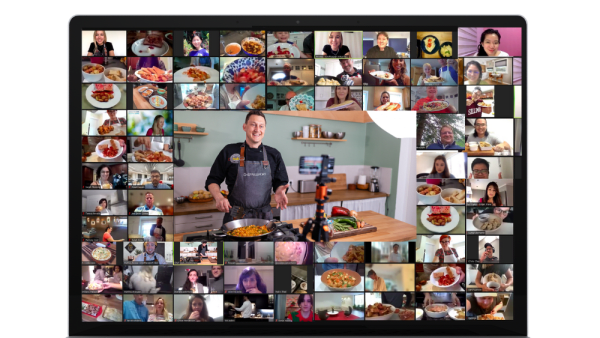
That's exactly why cooking together works so well as a team experience: it surfaces traditions, invites stories, and levels everyone to the same apron. If you'd like to explore that with your team, ChefPassport runs hands-on cultural cooking experiences in Luxembourg and virtually worldwide.
Frequently asked questions
What is a food taboo?
A food taboo is a cultural, religious or social rule that forbids eating a particular food — or eating it in a particular way. Some are rooted in religion (pork in Judaism and Islam), some in safety (Japan's fugu), and some in symbolism or local belief (bananas before fishing in parts of Polynesia).
What are the most well-known food taboos in the world?
The most widely recognised include the prohibition of pork in Islam and Judaism, beef in Hinduism, and strict preparation rules for Japanese fugu (pufferfish). Others, like Iceland's fermented shark (hákarl) or Sweden's surströmming, are less rules than acquired-taste challenges.
Why do food taboos matter for international teams?
In multicultural workplaces, food is a frequent source of unintended offence — or genuine connection. Knowing that a colleague avoids pork, beef or alcohol, and why, makes shared meals and team events more inclusive. Cooking together is one of the best ways to surface and respect those differences.
Is it rude to order a cappuccino after lunch in Italy?
Not rude, but distinctly un-Italian. Italians consider milky coffees a morning-only drink and switch to espresso after meals, believing milk hinders digestion. You'll be served one happily — but it marks you instantly as a tourist.
Free guide
Team Building Menu & Pricing Guide
Menus, group sizes, formats and indicative pricing — everything you need to plan, in two PDFs. No spam, unsubscribe anytime.