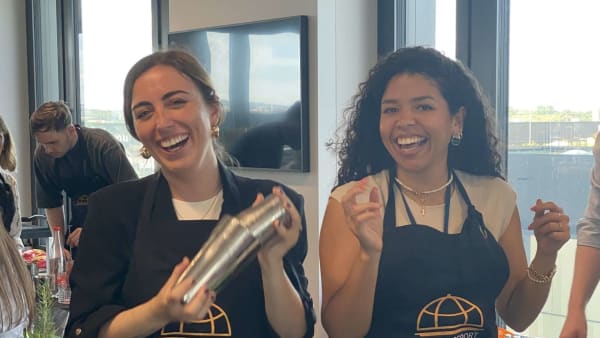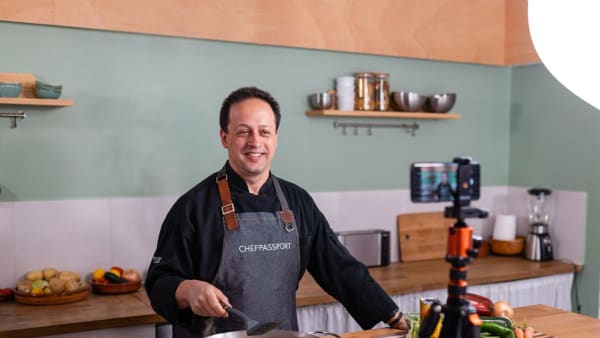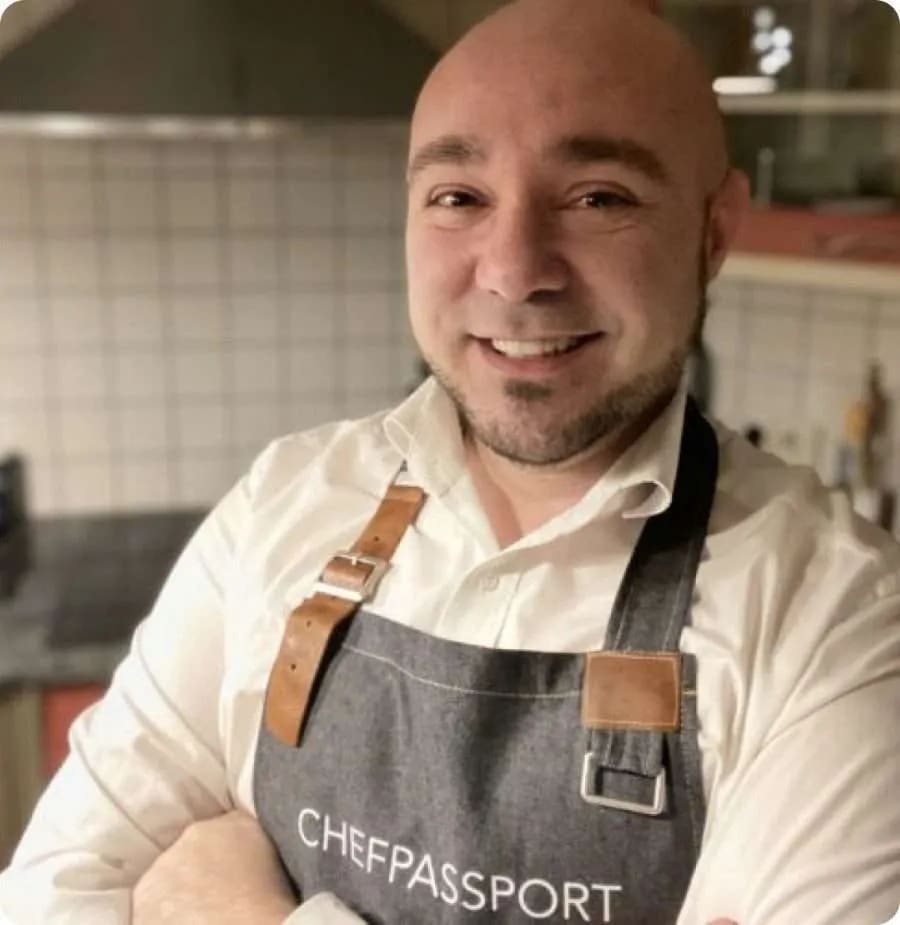

Virtual offsite ideas work best when they answer a specific team need at a strategic moment — not squeezed into an arbitrary calendar slot. After running hundreds of virtual and hybrid corporate events, we've found that timing matters as much as format: the same cooking class, brainstorm or recognition event lands differently in week one of onboarding than it does mid-project or after a stressful quarter.
Unlike in-person offsites, virtual events cost less, run faster and reach distributed teams without travel. But they demand sharper planning. A poorly timed or generic webinar feels like another calendar obligation. A well-timed interactive session — one of the best virtual events for teams when scheduled around a real inflection point — creates connection, restores energy and earns the hour it asks for.
Key takeaways
- The best virtual offsite timing aligns with team transitions: onboarding, mid-project slumps, post-launch celebrations or morale dips.
- Interactive formats (cooking classes, escape rooms, creative workshops) outperform passive webinars; research shows 53% of attendees plan to attend more webinars and 95% of organisers say experiential learning matters.
- Remote employees can be more engaged than some peers but are also more likely to report stress, sadness and loneliness — Gallup's 2026 State of the Global Workplace highlights why shared virtual experiences matter.
- ChefPassport virtual cooking classes run live across time zones, ship ingredient kits globally and average 90+ minutes of active participation — a tested alternative to passive screen time.
Why timing matters more than format for virtual offsites
Virtual events live or die by relevance. When we poll HR and operations teams after their events, the highest-rated sessions are almost never the ones with the slickest production — they're the ones that arrived at the right moment. A virtual cooking class in week two of onboarding creates belonging and lowers new-hire flight risk. The same session in week twelve, with no context, feels like filler.
This matters because global employee engagement sits at just 20%, and manager engagement has fallen sharply. Teams need reasons to reconnect that feel intentional, not performative. Strategic timing turns a virtual offsite from "another Zoom thing" into a moment people remember.
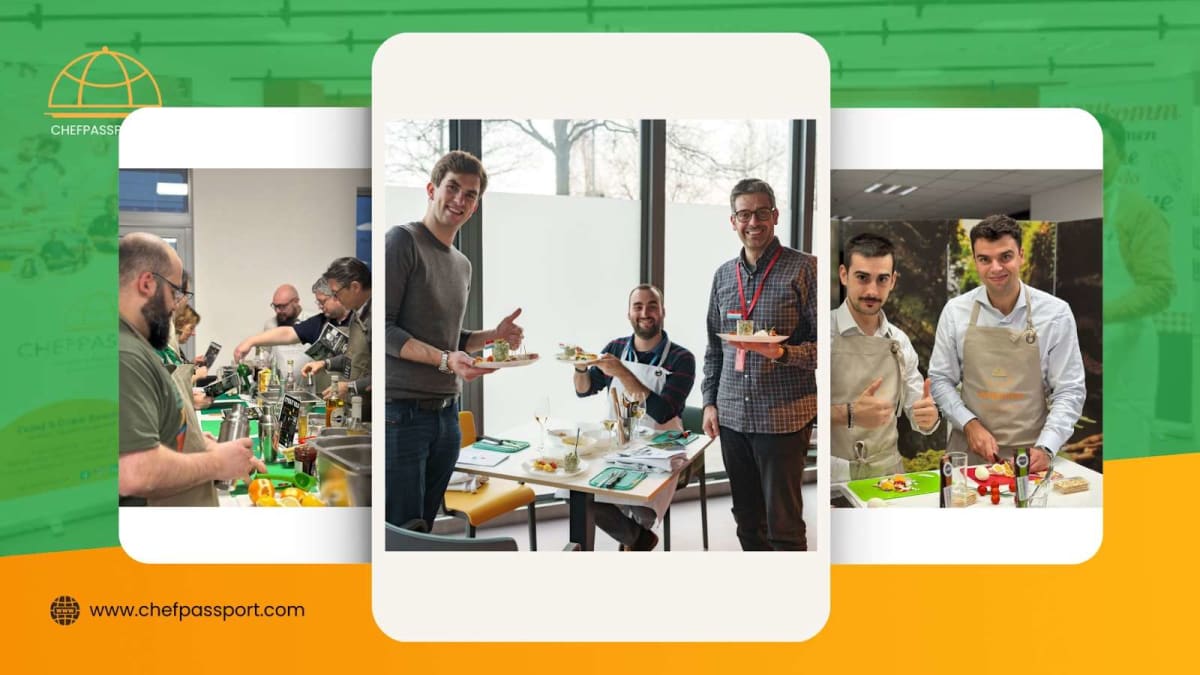
Virtual offsite ideas for onboarding new team members
The first two weeks set the tone for retention. Well-recognised employees were 45% less likely to have changed employers two years later according to Gallup and Workhuman research — and early belonging is a form of recognition.
A virtual offsite during onboarding helps new hires learn names, voices and working styles in a low-pressure environment. This is especially important for remote teams, where informal "water cooler" learning doesn't happen by default.
Remote offsite activities that work for onboarding
- Virtual cooking class: ChefPassport ships ingredient kits to every new hire's home and runs a live 90-minute session. New team members cook the same dish side by side, laugh through mistakes and eat together on camera. It's sensory, memorable and gives people something to talk about beyond job titles. Explore ChefPassport virtual cooking classes.
- Online escape room challenge: Collaborative puzzle-solving reveals how people think under pressure, communicate clues and delegate tasks — all useful signals for a new joiner trying to read the room.
- Virtual scavenger hunt: Send new hires on a timed hunt through company wikis, Slack channels and team bios. Include lighthearted questions (who has three cats? which office has a pink fridge?) alongside role-specific prompts. It makes onboarding documentation feel like a game.
- Culture story-share: Ask tenured employees to tell a two-minute story about a moment they felt proud, stuck or surprised at the company. New hires hear the unwritten rules and realise everyone has struggled.
We've run dozens of onboarding cooking sessions for companies bringing in cohorts of graduate hires or distributed account managers. The feedback is consistent: people remember faces and personalities faster when they've watched someone wrestle with a wok or plate a dessert badly. Learn more in our guide to new team onboarding activities that actually bond people fast.
Mid-project boost: virtual team offsite ideas to restore momentum
Long projects breed fatigue. Communication gets transactional. Motivation dips. A well-timed virtual offsite mid-stream can reset energy without derailing the schedule.
After running hundreds of mid-project sessions, the pattern is clear: teams don't need a pep talk — they need a break that also builds connection. Passive webinars don't cut it. Interactive formats that demand presence, creativity or collaboration do.
What works when morale is sagging
- Live virtual cooking experience: Cooking together is active, offline (mostly) and produces something tangible. We've watched project teams go from Zoom-fatigue silence to recipe swaps and kitchen-disaster banter within twenty minutes. It's a circuit-breaker that reminds people they enjoy each other. Discover 15 virtual team building activities that actually work.
- Creative brainstorm session: Use improv warm-ups, visual collaboration boards (Miro, Mural) or rapid-fire idea generation around a non-work challenge ("design a terrible product on purpose"). The goal is creative thinking, not output — it reactivates a different part of people's brains.
- Virtual trivia or game show: Custom trivia that mixes general knowledge with inside jokes, project milestones and team history. Keep it fast-paced (90 seconds per question) and celebrate ridiculous answers as much as correct ones.
- Guest expert workshop: Bring in a short, practical workshop on a skill adjacent to the work — storytelling, data visualisation, even cocktail-making. The novelty and utility both matter.
Mid-project offsites should feel like a gift, not an obligation. Sixty to ninety minutes, interactive, no homework. If people leave smiling or saying "we should do this again," you've hit the mark.
Post-project celebration: virtual offsite ideas to close the loop
Celebrating closure is as important as kicking off well. After a stressful launch, audit or client delivery, teams need a moment to exhale, reflect and feel recognised before the next sprint starts.
A post-project virtual offsite works best when it's explicitly non-productive — no agenda beyond "well done" and "let's enjoy this." The risk with virtual celebrations is they feel obligatory or rushed. Counter that by giving the event space, structure and a reason to show up beyond duty.
Celebration formats that feel genuine
- Hosted virtual dinner or lunch: ChefPassport delivers meal kits to every team member and a chef hosts a live cook-along. Everyone eats the same dish at the same time — it mimics the ritual of a team dinner without logistics or time zones killing the vibe. For distributed finance, consulting or product teams, it's become the default celebration format. See how companies use virtual team events with kits.
- Virtual awards or recognition ceremony: Publicly acknowledge contributions — not just the obvious wins but the invisible work (who unblocked the blocker, who kept morale up in Slack, who caught the critical bug). Make it specific, name names and let people react live.
- Team retrospective with a twist: Run a "rose, thorn, bud" retro but gamify it — vote on the funniest mistake, the most surprising win, the MVP moment. Close with what people are looking forward to (the "bud").
- Casual virtual games night: Jackbox games, online Pictionary, or a murder-mystery experience. Low stakes, high interaction, easy to drop in and out.
Post-launch energy is real but fleeting. Capture it with a celebration within a week of delivery, not three weeks later when everyone's moved on.

When team morale is low or trust has frayed
Sometimes the calendar doesn't matter — the trigger is a mood. When survey scores drop, Slack goes quiet or attrition ticks up, it's time for a reset.
Virtual offsites won't fix systemic issues (bad management, unclear strategy, unfair pay), but they can rebuild weak ties, make people feel seen and create space for honest conversation. The key is acknowledging the context — don't pretend morale is fine and throw a "fun" event on top of frustration.
What helps when trust or energy is low
- Facilitated listening session: Bring in an external facilitator to host a structured conversation: what's working, what's not, what do people need? Make it psychologically safe (anonymised themes, no attribution) and commit to acting on at least two inputs within a month.
- Shared learning experience: A virtual cooking class, craft workshop or volunteer session that has nothing to do with work. It lets people interact as humans, not job titles, and reminds them why they liked their colleagues in the first place. Explore 50 virtual team engagement activities that work.
- Cross-team speed networking: Pair people from different functions for three ten-minute conversations on randomised prompts ("what's one thing you wish other teams knew about your role?"). Rebuilds the weak ties that McKinsey research links to higher sponsorship, belonging and engagement.
- Volunteer-from-home initiative: Organise a virtual volunteering session (writing letters, designing graphics for a nonprofit, mentoring students). Deloitte research shows workplace volunteer opportunities improve connection, fulfilment and teamwork.
Morale lifts don't happen in one session. But a well-run offsite can be the inflection point — the moment people feel the company noticed and cared enough to act.
After organisational change: mergers, restructures, return-to-office shifts
Change creates uncertainty. Teams merge, reporting lines shift, strategies pivot. People don't know who to trust or how the new structure works. A virtual offsite shortly after the dust settles helps people find their footing.
Three in four cross-functional teams underperform on key metrics, McKinsey found — so concentrated events that rebuild coordination and weak ties can unblock work the org chart cannot.
Virtual offsite formats for transitions
- New-team kick-off: Treat a merged or reshuffled team like a new one. Run introductions (not just names but working styles, communication preferences, pet peeves), clarify roles and co-create team norms. Close with a collaborative activity — cooking, creative problem-solving, a shared challenge.
- Role-clarity workshop: Map who does what, where handoffs happen and where gaps or overlaps exist. Make it visual (swimlanes, RACI charts) and collaborative. People leave knowing who to ask and what's expected.
- Vision and alignment session: Leadership shares the "why" behind the change, then small breakout groups discuss what it means for their day-to-day. Aggregate themes and commit to follow-up.
- Icebreakers for new configurations: Use our list of 30 virtual icebreakers for remote teams to warm up newly combined groups before diving into work topics.
Timing here is tight: too soon (week one) and people are still processing; too late (month three) and new silos have hardened. Week four to six is the sweet spot.
Seasonal and milestone virtual offsite ideas
Some timing is built into the calendar: end of year, start of quarter, cultural holidays, company anniversaries. These moments offer natural narrative hooks and shared context.
Year-end and holiday virtual events
December is cluttered, but a virtual offsite still works if it respects people's time and feels festive without being forced. A 90-minute cooking class where everyone makes the same holiday dish — gingerbread, dumplings, mulled wine — creates a shared ritual. We've run December sessions for teams across EMEA, APAC and Americas; time zones are tricky but solvable with two sessions or async recipe kits. Read our corporate Christmas party ideas for Luxembourg (many translate virtually).
Quarterly kick-offs
Start each quarter with a short virtual offsite that sets priorities, celebrates last quarter's wins and reconnects the team. Pair a 30-minute business update with a 60-minute interactive session — cooking, games, creative brainstorm. It frames the quarter as a fresh start, not just more of the same.
Cultural or heritage celebrations
Lunar New Year, Diwali, Eid, Thanksgiving — these offer opportunities to celebrate diversity and educate the wider team. A virtual cooking class exploring the cuisine and stories behind the holiday works well. ChefPassport has run Lunar New Year dumpling sessions, Indian festival feasts and Middle Eastern iftar kits. See our guide to Chinese New Year team building ideas.
Company milestones
Funding rounds, client wins, product launches, anniversaries — mark them with a virtual event that includes everyone, not just HQ. Make it a celebration first, brand moment second.
Just because: the case for regular, low-stakes virtual connection
Not every virtual offsite needs a trigger. Some of the highest-impact sessions we've run were labelled "monthly team cook" or "Friday wind-down" — recurring, predictable, no big agenda.
Regular virtual offsites prevent problems from building. They keep weak ties alive, surface issues early and remind people they're part of a team, not just a Slack handle. Quarterly is sustainable for most teams; monthly works for remote-first companies or high-change environments.
The key is consistency and opt-in energy. Don't mandate attendance at every session, but make them good enough that people choose to show up.
What makes a virtual offsite idea actually work
Format and timing matter, but execution decides whether people loved it or resented the calendar block. After hundreds of events, these are the patterns that separate success from "well, that happened."
Interactivity beats passive every time
95% of event organisers say experiential learning matters, and attendees agree: they want to do something, not just watch. Cooking, building, solving, creating — formats where cameras stay on and hands stay busy — consistently score higher than webinars or talks.
Ship something physical when possible
Virtual team events with kits — ingredients, craft supplies, care packages — bridge the digital-physical gap. A box arriving at someone's door signals "this matters; we planned ahead." ChefPassport ships globally; logistics are solvable. The sensory experience (smelling garlic, tasting a sauce, plating a dish) makes the event memorable in a way pure screen time never does.
Time zones require intentionality
Global teams need either two sessions (EMEA + APAC; Americas + EMEA) or an async component (kits shipped, recipe video recorded, optional live Q&A). Don't force someone in Sydney onto a 3 a.m. call and pretend it's inclusive.
Hosted beats DIY
A live chef, facilitator or host keeps energy up, handles tech glitches and gives people permission to relax. Self-run activities (follow this doc, break out on your own) often fizzle. Hosted events feel like an experience; DIY feels like homework.
Size matters
Intimacy breaks at around 15 people. For larger groups, use breakout rooms or parallel sessions. A 60-person cooking class works if you split into smaller "kitchen teams" with a roaming host checking in.
Follow-up closes the loop
Send photos, recipe cards, a quick survey or a Slack thread to keep the conversation alive. The event ends, but the connection shouldn't.
How ChefPassport virtual cooking classes work as remote offsite activities
We've delivered live virtual cooking experiences for Amazon, Google, Deloitte, the ECB and 200+ companies since 2020. Here's what happens:
- Menu selection: Choose from Italian, Thai, Indian, Japanese, Luxembourgish or seasonal menus — or build a custom one around dietary needs, skill levels or cultural moments.
- Kit delivery: Ingredients ship to each participant's home (globally, with customs/dietary flexibility). Kits include everything except pantry staples; recipes arrive in advance.
- Live hosted session: A professional chef runs a 90-minute live class over Zoom or Teams. Cameras on, cooking together, troubleshooting in real time. Breakout "kitchen teams" for larger groups.
- Eat together: Everyone plates up and eats on camera. It's the moment that feels most like a real team dinner — messy, laughing, comparing results.
- Photos and recipes: Post-event gallery and digital recipe book sent within 48 hours.
Participation rates average above 90%. Time zones are managed via duplicate sessions or async kits. Dietary restrictions, allergens and ingredient substitutions are standard. It's the most repeatable, high-feedback virtual offsite format we run. Learn more about ChefPassport virtual cooking classes.
Choosing the right virtual offsite idea for your team
Start with three questions:
1. What's the goal? Connection, celebration, problem-solving, learning, morale, onboarding? Be specific. "Team building" is not a goal; "help new hires learn names and feel comfortable asking questions" is.
2. What's the context? Are people exhausted, energised, scattered, siloed, new, tenured? A burnt-out team needs rest and fun, not another ideation workshop.
3. What's realistic? Time zones, budget, dietary needs, tech comfort, Friday afternoons vs Tuesday mornings — constraints shape success as much as creativity does.
Then pick a format that serves the goal, fits the context and respects the constraints. Involve a few team members in planning so it doesn't feel top-down. Test tech (especially kits, shipping, platform access) a week early. Communicate clearly: why this event, why now, what to expect, how to opt in or adapt.
Common mistakes (and how to avoid them)
- Timing it badly: Scheduling a "fun" event the same week as a deadline or redundancy announcement. Context kills goodwill faster than a bad activity.
- Ignoring time zones: Forcing night-shift participation or pretending async is the same as live. Run two sessions or don't pretend to be global.
- Making it mandatory but joyless: If attendance is required, the experience must be good. Mandatory + boring = resentment.
- Forgetting dietary needs: Cooking events require early, explicit dietary data collection. Allergies, religious restrictions, vegans, ingredient access — plan for all of it.
- No follow-through: Running a listening session or retrospective and then doing nothing with the input. People notice, and trust drops.
- Underestimating logistics: Kits, tech, RSVP tracking, calendar holds across regions — details matter. Start planning three weeks out, minimum.
Next steps: plan your virtual offsite
The best virtual offsite ideas align timing, format and team need. Whether you're onboarding a cohort, closing a quarter, restoring morale or simply creating a recurring moment of connection, the same principles apply: be intentional, interactive and honest about what you're trying to achieve.
ChefPassport has run virtual cooking offsites for distributed teams across six continents, in every season and for every conceivable milestone. We've learned what works (kits, live hosts, breakout teams, eating together) and what doesn't (passive webinars, vague agendas, ignoring time zones). If you're planning a virtual offsite and want an experience people actually remember, explore ChefPassport virtual team building cooking classes or reach out — we'll help you time it right and make it worth the hour.
Planning a team event?
ChefPassport runs hands-on cooking experiences for corporate teams — in person at Kachatelier, Luxembourg, and virtually worldwide. Instant price estimate on the site.
Frequently asked questions
Free guide
Team Building Menu & Pricing Guide
Menus, group sizes, formats and indicative pricing — everything you need to plan, in two PDFs. No spam, unsubscribe anytime.