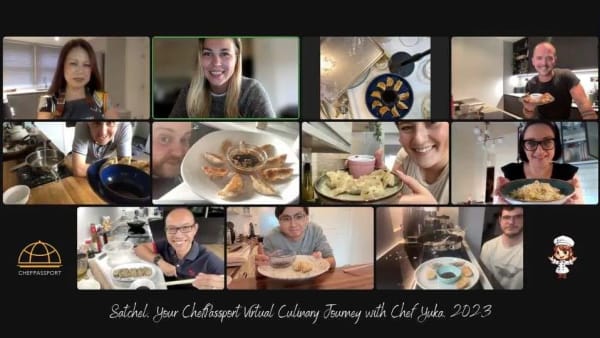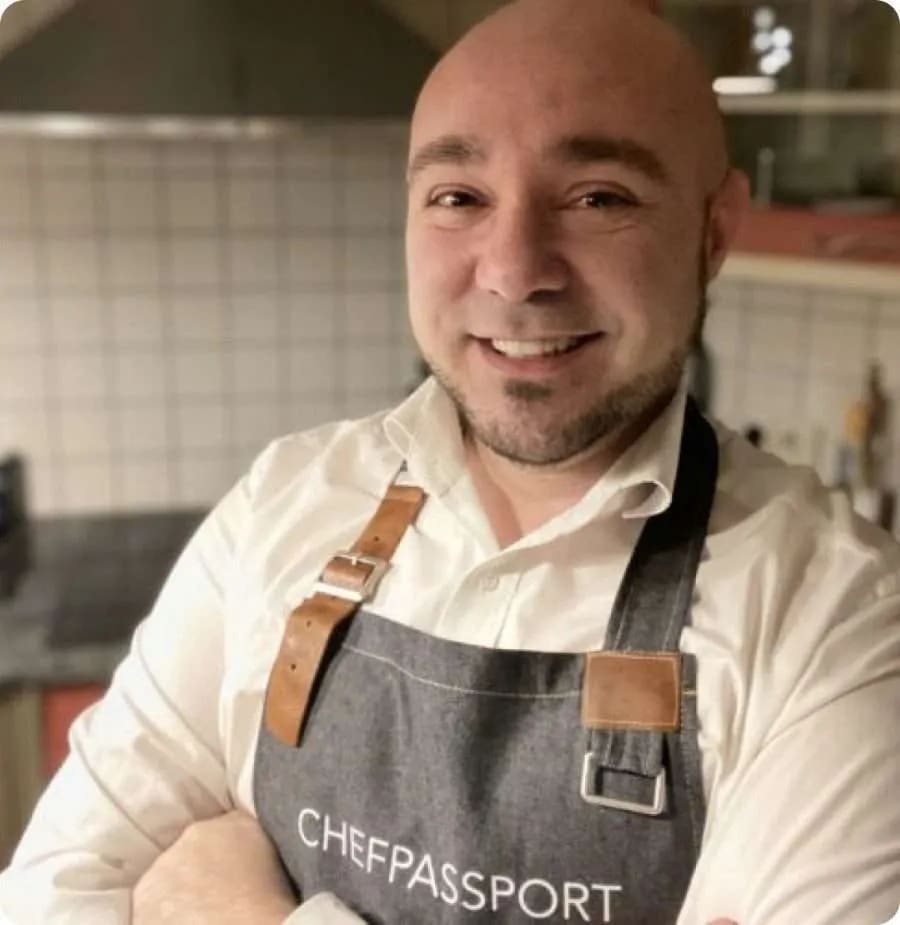

Ideas for virtual cooking competition formats that actually work include mystery box challenges, time-attack rounds, pantry-only constraints, and cultural-cuisine brackets — all adapted for distributed teams on video. The best formats combine the MasterChef thrill with practical execution: clear rules, fair scoring, and a host who turns friendly rivalry into bonding rather than division.
Virtual cooking competitions appeal to culture leads looking for events that feel different from another Zoom quiz, but the format matters. A competition that lands well creates stories, inside jokes and cross-team camaraderie; one that's poorly structured can frustrate or exclude. After running hundreds of virtual cooking events for distributed teams, we've seen which mechanics translate to video and which don't.
Key takeaways
- Mystery box, time-attack, pantry-only and cultural-round formats all work on video when rules are clear and judging is transparent.
- Breakout teams of three to five participants create more engagement than large-group or solo formats, especially for dispersed colleagues.
- Fair scoring combines taste, presentation and storytelling — categories anyone can win, not just the strongest cook.
- The host role matters as much as the format: narration, encouragement and play-by-play energy turn competition into connection.
- Competition works when it's friendly — celebrate creativity and effort, not perfection, and give every team a moment to shine.
Why virtual cooking competitions work for distributed teams
Virtual cooking competitions meet the moment for distributed workforces. Research links stronger workplace networks to higher engagement and belonging, and remote employees can be more engaged than some peers but are also more likely to report stress, sadness and loneliness — a backdrop that makes shared, interactive experiences valuable. Cooking competitions work because they're active, sensory and levelling: everyone starts with ingredients and a timer, and the outcome depends on creativity and teamwork, not job title or presentation skills.
The format also capitalises on familiar cultural hooks. MasterChef, The Great British Bake Off and similar shows have made cooking competitions a shared language — people understand mystery boxes, time limits and judging panels without lengthy explanations. That familiarity lowers the barrier to participation and gives the event an immediate narrative arc.
Practically, virtual competitions scale better than many in-person alternatives. You can run them for fully remote teams, hybrid groups or multinational cohorts across time zones. The global virtual-events market is estimated at $288.4 billion in 2026, and 53% of attendees plan to attend more webinars and 95% of organisers say experiential learning matters — demand is for interactive, hands-on virtual formats over passive ones. Cooking competitions deliver exactly that.
Popular virtual cooking competition formats and how to run them
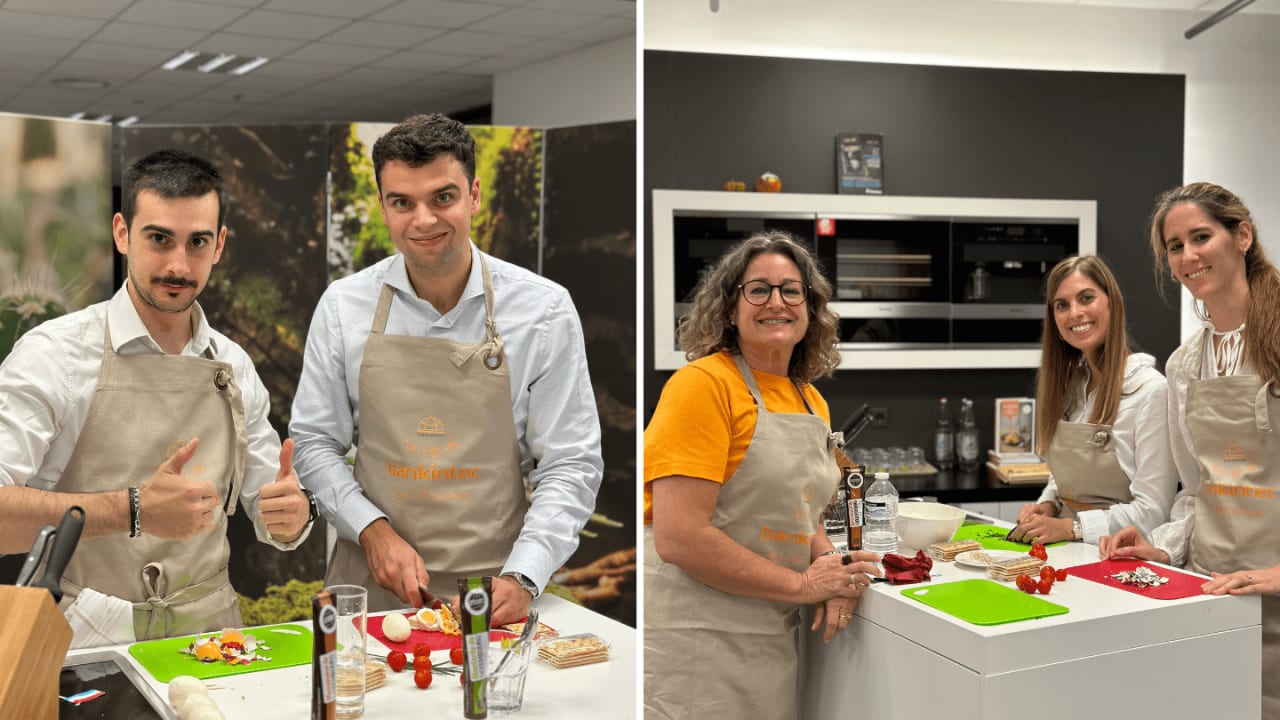
Mystery box challenge
In a mystery box challenge, every team receives the same surprise set of core ingredients and must create a dish within a fixed time — typically 45 to 60 minutes. The format tests improvisation, creativity and how well a team communicates under pressure.
How to run it: Ship or brief participants to source a short list of mystery ingredients — for example, cherry tomatoes, feta, basil, puff pastry and lemon. Reveal the ingredients live at the start of the session. Teams can supplement with pantry staples (oil, salt, spices, grains) but must feature the mystery items prominently. Set a countdown timer visible on screen. At the end, each team presents their dish and explains their concept in 60 seconds. Judging focuses on creativity, use of the core ingredients, and storytelling.
Why it works: The mystery element levels the playing field — experienced cooks can't fall back on a signature recipe. Teams bond by problem-solving together: one person suggests a flavour direction, another remembers a technique, a third improvises plating. The time constraint keeps energy high and prevents overthinking.
Time-attack rounds (speed challenges)
Time-attack rounds shrink the cooking window to 20 to 30 minutes and ask teams to complete a specific dish or technique — perfect pasta dough, a three-ingredient dessert, a stir-fry with five vegetables. The format emphasises efficiency, coordination and grace under pressure.
How to run it: Announce the challenge and the timer simultaneously. Use Zoom's built-in timer or a shared countdown overlay. Hosts can check in on breakout rooms for live commentary ("Team 3 is already rolling dough — brave choice!"). At the buzzer, everyone stops and presents immediately, even if the dish isn't finished. Judges score on completion, technique and teamwork as much as taste.
Why it works: Short rounds suit busy calendars and maintain intensity. The format naturally creates funny moments — someone forgets to preheat a pan, another rescues a burnt sauce — and those mishaps become the stories people retell. Time-attack rounds also work well as one segment within a longer event, sandwiched between a mystery box and a cultural round.
Pantry-only or "Chopped" style with restrictions
Pantry-only challenges require teams to cook using only ingredients they already have at home, with no shopping allowed. Variations include dietary restrictions (vegan, gluten-free), single-appliance rules (stovetop only, no oven), or "no recipe" constraints.
How to run it: Brief participants a day or two in advance: "Use only what's in your kitchen right now. No deliveries, no emergency shop runs." At the session start, teams inventory what they have, then vote or draw lots on a theme — breakfast, comfort food, street food. Set a 40-minute timer. Judging rewards resourcefulness and storytelling: why did you choose those ingredients, what does the dish mean to you?
Why it works: Pantry-only formats are logistically frictionless — no ingredient kits, no shipping timelines, no customs delays for international teams. They also surface personal stories: someone makes their grandmother's emergency pasta, another improvises a dish from their home country using supermarket substitutes. The constraints force creativity and make "fancy" ingredients irrelevant.
Cultural-cuisine rounds and bracket tournaments
Cultural-cuisine rounds assign each team a different culinary tradition — Italian, Korean, Moroccan, Mexican, Japanese — and ask them to prepare a representative dish. Bracket tournaments run multiple rounds, with teams voting to advance the top dishes through semi-finals to a final cook-off.
How to run it: For a single-session cultural round, assign cuisines at random or let teams pick from a hat. Provide a short list of suggested dishes (bibimbap, tacos, tagine, pad thai) or let teams choose. Judging includes a "cultural authenticity and storytelling" category: did the team research the dish, explain its context, adapt it thoughtfully? For a bracket tournament, run heats of two or three teams each, then combine the winners in a final round a week later. Film highlights and share a recap video.
Why it works: Cultural rounds make diversity tangible and celebrate it. Teams learn about each other's food traditions, ask questions, and bond over shared curiosity. Bracket formats add narrative and anticipation — people talk about the competition between sessions, plan strategies, and invite colleagues to watch the final. These formats work especially well for multinational teams or as part of broader diversity and inclusion programming.
Scoring systems that feel fair and foster connection

Scoring can make or break a virtual cooking competition. Too rigid and it feels like a corporate performance review; too vague and people disengage. The goal is transparency, multiple pathways to win, and categories that value creativity and storytelling as much as culinary skill.
The three-pillar rubric
Award points across three categories, each worth equal weight:
- Taste and technique — flavour balance, proper cooking (no raw centres, no burnt edges), seasoning.
- Presentation and creativity — plating, colour, originality, use of ingredients in unexpected ways.
- Storytelling and teamwork — how well the team explained their concept, evidence of collaboration, energy and enthusiasm during the presentation.
This structure ensures that a team with modest cooking skills but a compelling story and great energy can score as highly as a team with a technically perfect dish. It also makes judging more interesting — you're evaluating effort, intention and communication, not just the final plate.
Peer voting and audience choice awards
Combine host or judge scoring with peer votes. After all teams present, participants vote (anonymously, via a poll in Zoom or Microsoft Teams) for their favourite dish in categories like "Most Creative," "Best Teamwork," or "Dish I Most Want to Taste." Announce the peer winners alongside the judges' scores.
Peer voting distributes recognition and gives quieter participants a voice. It also reduces the pressure on a single judge to be "right" — the competition becomes a collective celebration rather than a top-down evaluation.
Bonus points for challenge constraints
Award bonus points for optional challenges: use an ingredient you've never cooked with before, incorporate a handed-down family recipe, make the dish entirely plant-based, or finish in under 25 minutes. These micro-challenges add layers of strategy and let teams lean into their strengths.
The host's role: narration, energy and turning rivalry into bonding
The host is the spine of a virtual cooking competition. A great host narrates the action, encourages teams when things go wrong, injects energy during lulls, and frames the competition as a celebration of effort and creativity rather than a zero-sum contest.
Live commentary and check-ins
During cooking rounds, the host rotates through breakout rooms every five to seven minutes, offering live commentary in the main room: "Team 2 is caramelising onions — ambitious with only 20 minutes left. Team 4 just discovered they're out of garlic and are improvising with shallots. Team 1 is plating already — confidence or a very simple dish?" This play-by-play keeps spectators engaged if you have an audience, and reminds cooking teams they're part of a shared event, not isolated in their kitchens.
Encouragement when things go wrong
Cooking under a timer on video guarantees mishaps: burnt garlic, curdled sauces, dropped plates. The host's job is to normalise and celebrate these moments. "That's the sign of a brave cook — you pushed for flavour and the pan got too hot. I respect it." Or: "Improvisational plating — we love to see quick thinking." This tone reassures participants that the goal is connection and fun, not perfection, and it gives permission for others to take risks.
Structuring presentations for storytelling
Coach teams to present their dishes in 60 to 90 seconds, following a simple structure: name the dish, explain the inspiration or the story behind it, describe one or two key techniques or ingredients, and share one thing that went well or one thing they'd do differently. This narrative framing turns presentations from awkward show-and-tell into compelling mini-stories, and it surfaces the human moments that make the event memorable.
Logistics: kits, timing and tech setup for smooth execution
Ingredient kits versus pantry-based formats
Shipping ingredient kits works well for mystery box and cultural-cuisine formats, especially when you want a level playing field and can plan two to three weeks ahead. Kits ensure everyone has the same starting materials, eliminate the friction of shopping, and create a tangible moment of excitement when the box arrives. We've shipped kits to teams across Europe, North America and Asia, and the unboxing itself becomes part of the event experience.
Pantry-based formats suit shorter timelines, international teams where shipping is complex, or budgets that prioritise facilitation over materials. They also work for teams that value sustainability and want to avoid single-use packaging.
Session length and pacing
A single-round competition typically runs 90 minutes: 10 minutes for welcome and rules, 45 to 60 minutes for cooking, 20 to 30 minutes for presentations and judging, and 5 minutes for wrap-up and winner announcement. Multi-round formats (heats plus a final) can span two or three sessions over consecutive weeks, with each session running 75 to 90 minutes.
Build in buffer time. Participants will need a few extra minutes to find a utensil, restart a video feed, or deal with a doorbell. Flexibility in pacing keeps the event feeling relaxed rather than rushed.
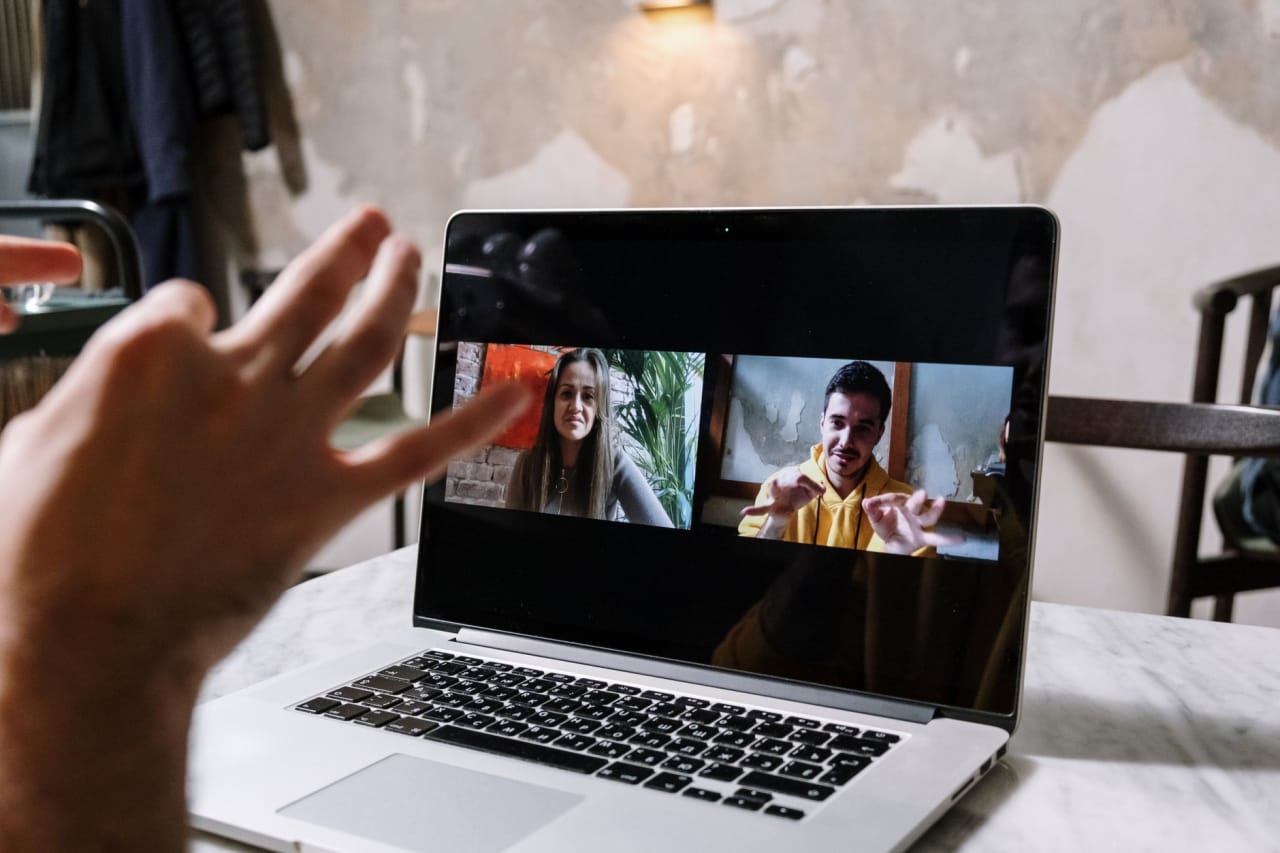
Tech setup and platform features
Run competitions on Zoom, Microsoft Teams or Google Meet — all support breakout rooms, screen sharing and polls. Key setup tips:
- Use breakout rooms for team cooking, with the host and co-facilitators rotating through.
- Share a countdown timer on screen during timed rounds (browser-based timers work well and are visible when screen-shared).
- Use the poll feature for peer voting after presentations.
- Record the session (with permission) so you can edit highlights and share a recap video.
- Have a co-host manage tech troubleshooting, breakout room assignments and chat questions while the main host narrates and judges.
Common mistakes and how to avoid them
Overly complex rules that confuse rather than engage
The more rules you add, the more cognitive load you create. Stick to one or two constraints per round (mystery ingredient plus a time limit, or a cuisine plus a dietary restriction) and explain them clearly at the start. Provide a one-page visual rule sheet shared on screen and in the chat.
Judging that feels arbitrary or opaque
Announce the scoring rubric before cooking begins, and explain scores briefly when you award them: "Team 3 scored 8 out of 10 for taste — beautiful seasoning and texture. Presentation was a 7 — the plating was simple but the colours really popped. Storytelling was a 9 — we loved hearing about your grandmother's recipe." Transparency builds trust and makes the competition feel fair.
Competition that becomes stressful rather than fun
If the tone skews too serious, participants worry about "losing" and disengage. Set the frame early: "This is about creativity, teamwork and having a laugh together. The prize is bragging rights and a good story." Celebrate every team's effort during presentations, find something specific to praise, and make the winner announcement light-hearted.
Ignoring dietary restrictions and kitchen setups
Survey participants in advance: dietary needs, allergies, and kitchen equipment (stove type, oven access, key utensils). If someone is vegan, make sure mystery ingredients or assigned dishes can be adapted. If a participant has a tiny kitchen or only a hotplate, offer a role like timekeeper, judge or storyteller so they're included without cooking stress.
When to choose competition formats versus collaborative cooking
Virtual cooking competitions work best for teams that already know each other, have moderate to high psychological safety, and enjoy playful rivalry. They're a strong fit for quarterly team celebrations, sales kick-offs, milestone events, or as a capstone to a longer onboarding or training programme.
Collaborative (non-competitive) formats — where everyone cooks the same dish together, guided by a chef — work better for brand-new teams, onboarding cohorts, or groups with uneven cooking confidence. Collaborative sessions emphasise learning and connection without the pressure of judgment. We've written a detailed guide on virtual team-building activities that balance structure and interaction, and the difference between team learning and team building in culinary contexts.
Hybrid formats combine both: start with a 20-minute collaborative tutorial (everyone learns to make fresh pasta or roll sushi), then shift into a timed competition using those new skills. This scaffolding builds confidence before the competitive element begins.
Ideas for themes and creative twists
- Around the world in 60 minutes — each team draws a country at random and prepares a dish that represents it, then presents with a one-minute "travel guide" to that cuisine.
- Leftover challenge — inspired by sustainability goals, teams create a complete meal from ingredients typically thrown away (vegetable peels, stale bread, cheese rinds, herb stems).
- Colour challenge — every dish must feature a specific colour prominently (all green, all red, monochrome white) to test creativity within tight visual constraints.
- Two-ingredient challenge — teams must create a dish using only two core ingredients (eggs and potatoes, tomatoes and bread, chocolate and cream) plus salt, oil and water.
- Breakfast championship — a morning session where teams compete to make the best breakfast or brunch dish, ideal for distributed teams spanning multiple time zones.
- Mystery basket relay — run over two sessions: in round one, teams create a dish and "pass" one ingredient to the next team as a mandatory inclusion in round two.
- Chef's special with a twist — assign a classic dish (carbonara, curry, tacos) but require one non-traditional ingredient or technique (carbonara with miso, curry with apples, tacos with pickled watermelon).
How ChefPassport designs and hosts virtual cooking competitions
We've run virtual cooking competitions for distributed teams at Amazon, Google, the European Central Bank and hundreds of other organisations since 2020. Our approach combines clear structure with flexibility: we provide the format, the host, the ingredients (kitted or pantry-listed), and the facilitation, then adapt the tone and rules to match your team's culture.
Competitions work when they're designed for connection first and competition second. That means breakout teams of three to five, scoring that values storytelling as much as skill, and a host who narrates, encourages and celebrates rather than adjudicates. The best virtual cooking competitions end with people asking "when can we do this again?" and sharing photos in Slack for weeks afterward — and that's the outcome we design for.
If you're planning a virtual event for a dispersed or hybrid team and want a format that's interactive, memorable and genuinely fun, explore our virtual team-building cooking classes or get in touch to talk through what would work for your group.
Final thoughts: competition that bonds, not divides
Ideas for virtual cooking competition formats are only as good as the culture they create. The mystery box, the timer, the judging panel — these are scaffolding. The real work is in how you frame the event, the tone your host sets, and whether people leave feeling seen, valued and connected to their teammates.
Done well, a virtual cooking competition becomes a story your team tells for months: the time someone mistook sugar for salt, the dish that looked terrible but tasted amazing, the underdog team that won on storytelling. Those stories are the invisible infrastructure of team cohesion, and they're worth investing in.
Planning a team event?
ChefPassport runs hands-on cooking experiences for corporate teams — in person at Kachatelier, Luxembourg, and virtually worldwide. Instant price estimate on the site.
Frequently asked questions
Free guide
Team Building Menu & Pricing Guide
Menus, group sizes, formats and indicative pricing — everything you need to plan, in two PDFs. No spam, unsubscribe anytime.