
Key takeaways
- A digital cook book captures recipes, food stories, personal tips and team commentary from cooking sessions into a searchable, shareable culture document that onboards new hires and preserves team knowledge.
- Teams that document their cooking sessions create a compounding asset—new employees join faster, remote colleagues feel included in the team's history, and future events build on past ones.
- The best digital cookbooks blend practical recipe detail (times, substitutions, common mistakes) with human context—who made what, why a dish mattered, and the stories that emerged around the table.
- Simple tools like shared Google Docs, Notion pages or private Slack channels are enough; the value lies in consistency, accessibility and team ownership, not production polish.
What is a digital cook book (and why teams are building them)

A digital cook book is a shared, editable collection of recipes, techniques, photos, food stories and team commentary that a group builds together over time—typically following cooking team-building sessions. Unlike a traditional cookbook, it's collaborative, living and tied to the team's lived experiences, not an author's expertise.
After running hundreds of virtual cooking classes and in-person events, we've watched teams instinctively photograph their dishes, swap tips in Slack and ask for the recipe again weeks later. The teams that formalise this impulse—capturing not just the recipe but the context, the variations people tried, the mistakes that became inside jokes—create something that outlives the session. New hires read it during onboarding. Distributed colleagues browse it to understand the team's tastes. The cookbook becomes a culture artifact that compounds.
The format is simple: a shared Google Doc, a Notion workspace, a private Slack channel, a Confluence page. What matters is that it's accessible, searchable and owned by the team, not HR. The best ones mix practical cooking detail (exact timings, ingredient substitutions, what went wrong) with human colour—who cooked what, why a dish sparked a memory, the conversation that happened while the dumplings steamed.
Why cooking events lend themselves to documentation (better than most team activities)
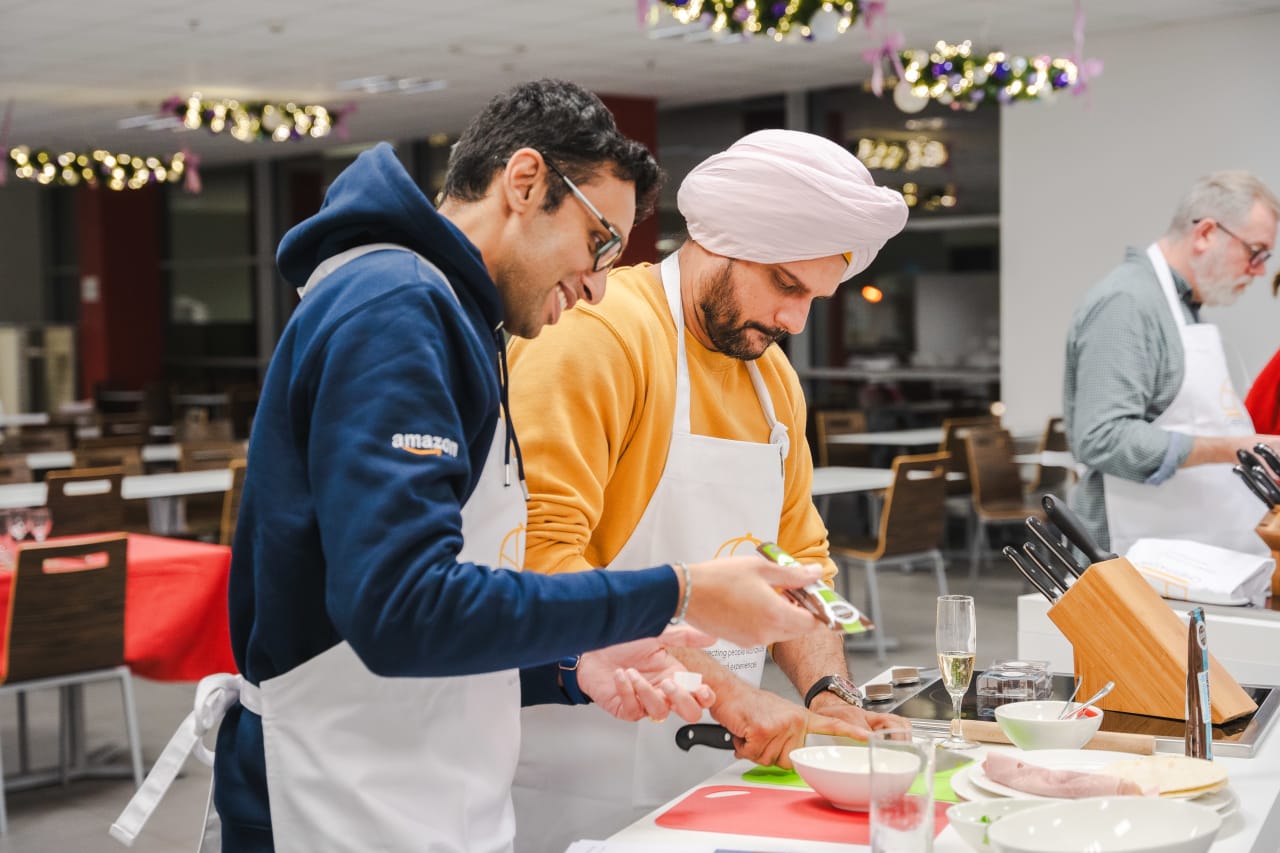
Most team-building activities leave behind a photo album and a vague warm feeling. Cooking sessions produce something tangible: a dish, a technique, a story, a personal tip. That tangibility makes documentation feel natural rather than forced.
People want to recreate the recipe at home or share it with a partner. They want to remember the shortcut the chef mentioned or the ingredient swap that worked. The act of cooking generates questions, variations and troubleshooting—all of which are worth capturing. A virtual team building activity that centres on food gives you immediate, concrete content to document.
Food also carries personal and cultural weight. When someone shares a family recipe, explains why they never eat cilantro, or admits they've never diced an onion, those moments reveal more about the person than a personality quiz. Writing them down—lightly, without forcing vulnerability—creates a record of who the team is, not just what the company does.
How a digital cook book onboards new hires faster and more naturally

Onboarding typically means reading policy documents, watching recorded all-hands and waiting weeks to understand the unwritten culture. A digital cook book offers something different: immediate, informal access to the team's shared history and tastes.
A new hire scrolling through the team's cookbook sees that half the engineering team is obsessed with Thai basil, that the quarterly kickoff always features dumplings, that someone once set off the fire alarm making caramel. They learn who's vegetarian, who grew up cooking with their grandmother, who can't stand fennel. These details are trivial individually but, together, they map the social terrain faster than any org chart.
We've seen companies send new starters the team cookbook during their first week, alongside the usual onboarding checklist. It's a low-stakes way to start conversations ("I saw you made pasta alla gricia—how spicy did you go?") and signals that the team values shared experiences, not just shared KPIs. New team onboarding activities that leave behind a tangible, living document give people something to return to, not just remember.
What to capture during (and after) the cooking session
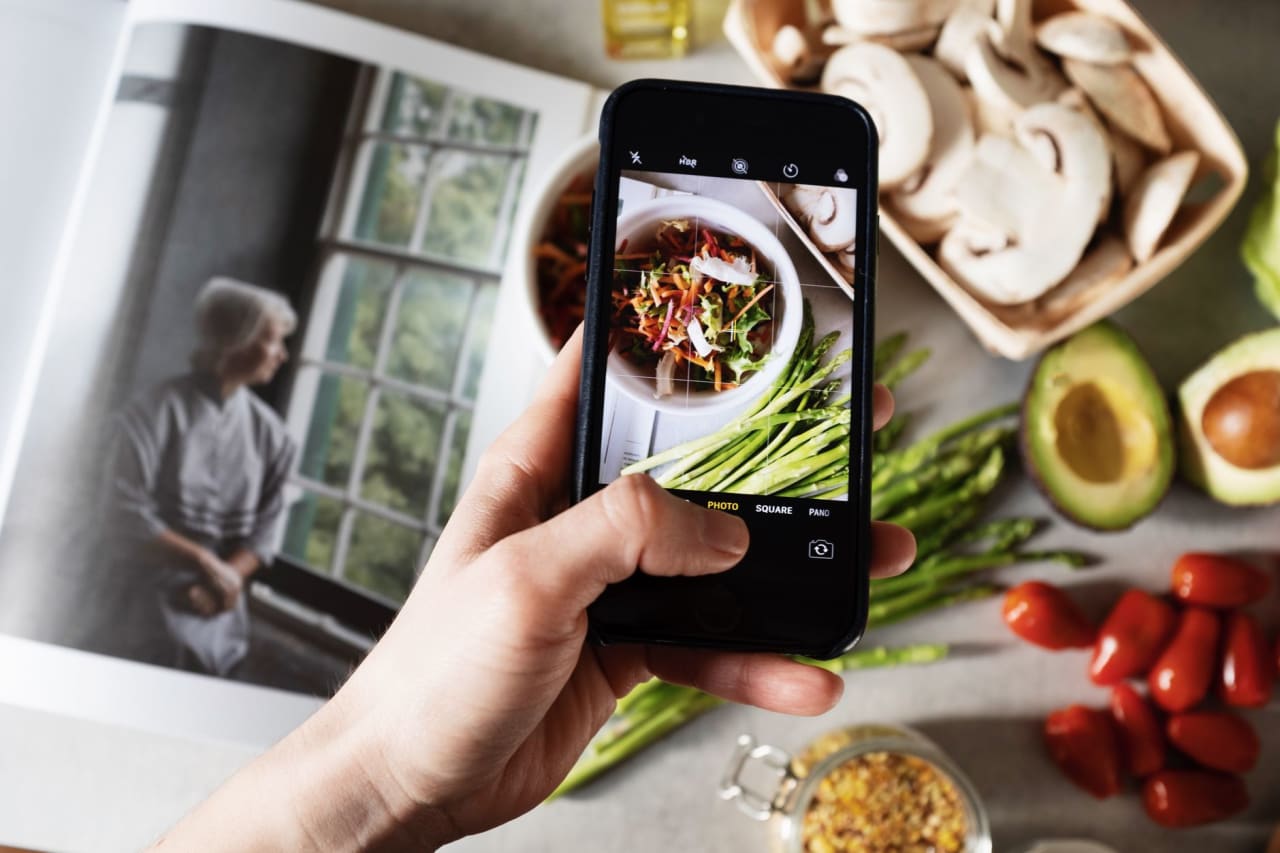
The best digital cookbooks are built in two phases: live capture during the session, then structured editing afterward. You don't need a dedicated scribe—just one person with edit access and a phone camera.
During the session, capture:
- The recipe as taught (ingredients, steps, timings)—screenshot the chef's demo or grab the PDF they share.
- Photos of the process: mise en place, mid-cook action shots, the finished plates. Candid beats polished.
- Tips and variations the chef mentions ("If you can't find fish sauce, soy sauce plus a squeeze of lime works") or that participants discover ("I used olive oil instead of sesame and it was fine").
- Questions people asked and the answers—these surface again with new hires.
- Moments worth remembering: who nailed the dish, who improvised brilliantly, who created an edible disaster and laughed about it.
After the session, add:
- A one-paragraph introduction: what we cooked, why we chose it, how it went.
- Links to the event (if it was virtual, the recording or chat log; if in-person, the shared photo album).
- Personal notes from participants—what they'd change next time, what they learned, whether they've cooked it again at home.
- Tags or categories (cuisine, difficulty, dietary notes, season, occasion) so the cookbook stays navigable as it grows.
The goal isn't a glossy publication. It's a useful, honest record that someone can actually cook from and that reminds them of the people they cooked with.
Choosing the right platform and structure for your team's digital cook book
There's no single best tool—only the one your team will actually use. The platform should be accessible (no extra login hurdles), searchable, editable by anyone on the team and easy to browse on a phone.
| Platform | Best for | Strengths | Limitations |
|---|---|---|---|
| Google Docs | Small teams, quick start | Familiar, zero setup, good search, easy sharing, version history | Gets unwieldy above ~30 recipes; limited structure |
| Notion | Mid-size teams, structured content | Database views, tags, embedded images, templates, beautiful to browse | Learning curve for non-Notion users; can feel over-engineered |
| Confluence | Enterprise teams already using Atlassian | Integrated with existing tools, robust permissions, good for large orgs | Feels corporate; not the most inviting reading experience |
| Slack channel (+ pinned messages) | Casual, conversational teams | Low friction, high engagement, easy photo sharing, threaded discussion | Hard to browse chronologically; search is decent but not cookbook-like |
| Airtable | Teams that love spreadsheets and filtering | Powerful filtering (diet, cuisine, difficulty), gallery view, custom fields | Overkill for simple needs; less narrative-friendly |
We've seen teams start in Google Docs and migrate to Notion once they hit a dozen recipes. Others keep everything in a Slack channel and treat it like a living conversation. The structure matters less than the habit: add to it after every session, keep it easy to find, and let anyone contribute.
How to keep the digital cook book alive (and avoid it becoming abandonware)
The risk with any team documentation is that it gets created with enthusiasm, then quietly ignored. A few habits keep the cookbook alive and useful.
Assign a cookbook keeper (not an owner). One person—often the same person who books the cooking classes—nudges contributors, adds new recipes after sessions and keeps the structure tidy. They don't write everything; they make sure others do.
Make contributing easy and expected. After every session, send a two-minute form or a shared doc link asking participants to add one tip, one photo or one sentence about what they learned. Habit beats perfection.
Use it actively, not passively. Reference the cookbook in other contexts—Slack shout-outs ("Who made that Thai basil chicken from the March session?"), onboarding check-ins, planning the next menu ("We haven't done Italian since Q2—time to revisit?"). The more it's cited, the more it's maintained.
Celebrate updates. When someone cooks a recipe at home and adds notes, when a new hire contributes their first entry, when the cookbook hits 25 recipes—acknowledge it. Small recognition reinforces the behaviour.
Refresh the index quarterly. As the book grows, add a table of contents, a "greatest hits" section, or a "new this quarter" page. Make it browsable, not just searchable.
Real-world examples: what teams are putting in their cookbooks
The best cookbooks reflect the team's actual interests and personalities, not a sanitised version of them. Here's what we've seen teams document:
- The recipe, annotated. Ingredients, steps, timing—plus inline comments from participants ("I used brown sugar and it worked", "This step is harder than it looks, give yourself 10 extra minutes").
- Variation logs. A running list of substitutions people tried: dairy-free, gluten-free, "whatever was in my fridge" versions.
- Personal stories. Why someone requested a specific dish, a memory it triggered, a family connection. These humanise the team.
- Photos of everyone's final plates. Not styled food photography—just honest snapshots from kitchen counters and dining tables around the world. Seeing the range is part of the fun.
- Chef tips and troubleshooting. The professional insights shared during the session: how to tell when garlic is about to burn, why resting meat matters, what "fold, don't stir" actually means.
- Links to recordings or highlight clips. If it was a Zoom team-building session, a timestamped link to the moment someone flambéed by accident or the group taste-test.
- A "cook it again" tally. Who's made the dish at home since the session? This signals which recipes have real staying power.
One distributed team we work with keeps a "disasters and triumphs" section—equal space for the beautifully plated and the heroically salvaged. It's become the most-read part of the book.
How a digital cook book fits into broader culture and retention strategy
A cookbook on its own won't fix disengagement or retain critical talent, but it exemplifies a mindset that does: investing in shared experiences that leave behind something tangible, reusable and owned by the team.
Research from Gallup's 2026 State of the Global Workplace found that global employee engagement sits at just 20%, and that remote employees, while sometimes more engaged than their peers, are also more likely to report stress, sadness and loneliness. Deliberate connection and re-engagement efforts—especially those that create artefacts people return to—can counter that drift.
A digital cook book supports several strategic goals at once:
- Faster onboarding. New hires get informal, human context about the team's culture and preferences without waiting for the next all-hands.
- Stronger belonging. Contributing to a shared resource, seeing your name and your dish in the archive, knowing your input shapes the team's story—these are small acts of inclusion that compound.
- Memory and continuity. Teams change. People leave, new people join, reorgs shuffle reporting lines. A cookbook anchored to real shared experiences keeps the team's identity coherent across transitions.
- Repeatable rituals. When cooking together becomes "what we do," the cookbook becomes the record of that ritual. It signals that the company values this kind of investment, repeatedly.
The Gallup and Workhuman research on recognition and retention found that well-recognised employees were 45% less likely to have changed employers two years later. A cookbook that visibly credits contributions—"Sara's family laksa recipe", "Tom's accidental invention of spicy mushroom pasta"—is a lightweight, ongoing form of recognition.
Practical tips for rolling out a team digital cook book after your next event
If you're planning a cooking session—virtual or in-person—and want to turn it into the start of a lasting cookbook, here's a simple rollout plan.
Before the event:
- Choose your platform (start simple—Google Doc or Notion page).
- Create a basic template: event name, date, dish, recipe, photos, notes, contributors.
- Announce it in the invite: "We're starting a team cookbook—bring your phone to snap pics and we'll add this recipe afterward."
During the event:
- Assign one person (or rotate the role) to capture: recipe steps, tips from the chef, questions asked, a few candid photos.
- Encourage everyone to photograph their mise en place and final dish.
- If virtual, save the chat log—it's full of tips, reactions and troubleshooting.
Immediately after:
- Within 24 hours, the cookbook keeper drops the recipe, a few photos and a one-paragraph summary into the doc.
- Share the link in Slack or email: "First entry in our team cookbook is live—add your notes, photos or tips!"
- Pin or bookmark it somewhere obvious (team Wiki, onboarding checklist, Slack channel description).
Ongoing:
- After each new cooking session, repeat the process. Consistency builds the habit.
- Feature a "recipe of the month" in team updates or Slack shout-outs.
- When onboarding a new hire, send them the cookbook link with a note: "This is who we are when we're cooking together."
The effort is minimal—15 minutes of admin per session—but the artefact grows in value with every entry.
Why this matters: events that compound vs events that fade
Most corporate events are ephemeral by design. A keynote, a happy hour, a workshop—they happen, they end, and the only trace is a calendar invite marked "Accepted." That's fine for some purposes, but it's a missed opportunity when the event involved collaboration, skill-building or shared creation.
A digital cook book turns a company activity into a compounding asset. The second cooking session builds on the first. The third references the second. New hires read the archive and feel caught up. Remote colleagues who couldn't attend a session can still cook the dish at home and add their notes. The investment in each event pays forward.
This is especially valuable for distributed and hybrid teams. In Luxembourg, where 47% of employees are cross-border workers and 27.3% sometimes work from home (compared to 13.3% across the EU27), creating shared artefacts helps geographically scattered colleagues feel part of the same story. A cookbook is a low-friction way to include everyone, asynchronously.
The question for People teams isn't whether to run team-building events—it's whether those events leave behind something that onboards the next hire, sparks the next conversation, or gets referenced six months later. A digital cook book does all three.
Getting started: from your next cooking session to a living team resource
You don't need buy-in from leadership, a budget or a project plan. You need one cooking session, one shared document and one person willing to spend 15 minutes afterward pulling it together.
If you're already planning a virtual team-building cooking class or an in-person event, add "start the team cookbook" to the agenda. If you've already run sessions in the past, retroactively document one or two favourites—it's never too late to start the archive.
The format doesn't have to be perfect. The writing doesn't have to be polished. What matters is that it's real, that it's shared, and that it grows with the team. The cookbook becomes a mirror: this is what we value, this is what we remember, this is who we are when we're cooking together.
Ready to create a cooking experience worth documenting? Explore our live, hosted virtual cooking classes or our in-person team-building sessions in Luxembourg—and start building your team's cookbook from the first dish.
Planning a team event?
ChefPassport runs hands-on cooking experiences for corporate teams — in person at Kachatelier, Luxembourg, and virtually worldwide. Instant price estimate on the site.
Frequently asked questions
Free guide
Team Building Menu & Pricing Guide
Menus, group sizes, formats and indicative pricing — everything you need to plan, in two PDFs. No spam, unsubscribe anytime.


