
Key takeaways
- A nutrition balance lifestyle combines nutrient-dense eating with physical activity, stress management and meaningful social connections—not a diet, but a sustainable framework.
- Information overload is the real barrier: curate reliable sources, ignore trends without evidence and build incremental changes rather than dramatic overhauls.
- Cooking at home—especially with others—anchors both nutrition and connection, turning meal prep from a chore into a shared, enjoyable routine.
- Balance is not perfection; it's the ability to adapt, recover and maintain habits through real-life constraints like time pressure and motivation slumps.
What is a nutrition balance lifestyle?
A nutrition balance lifestyle is an integrated approach to health that prioritises nutrient-dense eating, regular movement, stress management and social connection—sustained over time, not through short-term restriction. It means making food choices that fuel your body and mind while fitting into the rhythm of your actual life: work schedules, family commitments and the occasional indulgence.
Balance is not about perfection. It's about building a framework flexible enough to withstand a busy week, a missed workout or a spontaneous dinner out, and resilient enough to bring you back to centre without guilt or extremes. The goal is long-term well-being, not compliance with a plan that expires in six weeks.
Why nutrition balance lifestyle matters more than diets or trends
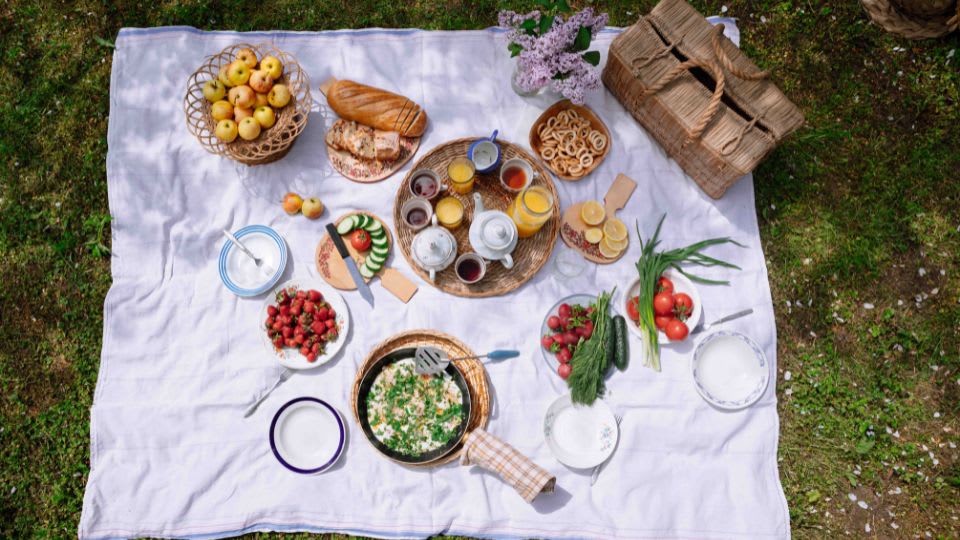
Fad diets promise rapid results but rarely deliver sustainable change. They rely on restriction, elimination and willpower—resources that deplete quickly under real-world pressure. A nutrition balance lifestyle, by contrast, is built on addition: more whole foods, more variety, more awareness of how different meals make you feel.
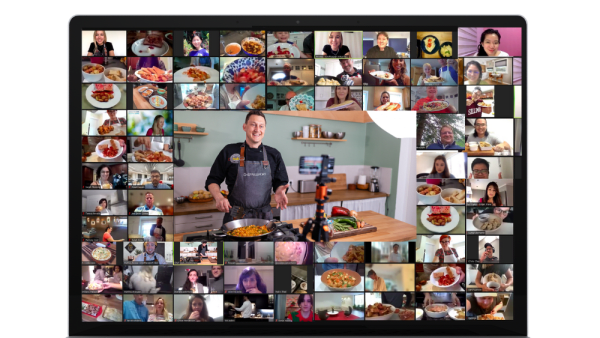
After running hundreds of cooking sessions with corporate teams across Europe, we've seen firsthand how people engage with food when they understand the "why" behind ingredients and preparation. Cooking together demystifies nutrition, builds confidence in the kitchen and replaces anxiety with curiosity. Participants who arrive claiming they "can't cook" leave having made a three-course meal—and often repeat those recipes at home.
Balance also means recognising that nutrition is interconnected with mental health, sleep, stress and social bonds. A diet that ignores those dimensions will fail, no matter how scientifically sound the macros.
Navigating nutrition information overload
The digital age offers unprecedented access to health information—and unprecedented confusion. Contradictory advice floods social media: carbs are essential; carbs are toxic. Intermittent fasting is transformative; breakfast is non-negotiable. Seed oils are inflammatory; fat phobia is the real problem.
Sorting signal from noise requires three strategies:
- Prioritise primary sources. Peer-reviewed research, registered dietitians and evidence-based organisations (WHO, national nutrition bodies) over influencers and anecdote.
- Ask who benefits. Is the advice selling a product, a program or a worldview? Independent guidance is more trustworthy than content designed to funnel you toward a purchase.
- Test and observe. Your body is the laboratory. A meal plan that works for a friend may leave you sluggish. Track energy, mood, digestion and hunger patterns—not just calories—and adjust accordingly.
We guide participants through this process in our virtual team building cooking classes, where chefs explain ingredient choices, preparation techniques and the practical trade-offs between convenience and nutrition. The goal is not to prescribe a single "right" way to eat, but to equip people with the skills to make informed, flexible choices.
The four pillars of a nutrition balance lifestyle
1. Nutrient-dense eating
Nutrient density is the ratio of vitamins, minerals, fibre and phytonutrients to calories. A bowl of quinoa with roasted vegetables, chickpeas and tahini delivers far more micronutrients per calorie than a bowl of refined pasta with butter. Both have a place, but the former should anchor most meals.
Practical strategies:
- Build meals around vegetables and whole grains, then add protein and healthy fats.
- Choose whole foods over processed alternatives when time and budget allow.
- Plan one or two new recipes each week to expand your repertoire and prevent monotony.
- Batch-cook staples—grains, legumes, roasted vegetables—on Sunday to simplify weeknight assembly.

2. Consistent physical activity
Movement is as essential to balance as food. It regulates appetite, improves sleep, supports mental health and builds resilience against chronic disease. The challenge is not knowledge—everyone understands exercise is beneficial—but adherence.
How to sustain a movement habit:
- Choose activities you genuinely enjoy, not those you believe you "should" do. Yoga, CrossFit, walking, dance, team sports—all count.
- Schedule movement the way you schedule meetings. Treat it as non-negotiable time.
- Start small and add incrementally. Ten minutes daily is infinitely more sustainable than two hours twice a week that you abandon by February.
- Involve others. Accountability and social connection make exercise easier to maintain. We've watched remote teams stay engaged in virtual team building activities that incorporate light movement or shared cooking challenges, creating a structure that supports individual habits.
3. Stress management and mental well-being
Chronic stress disrupts hunger signals, drives cravings for hyper-palatable foods and undermines decision-making. A nutrition balance lifestyle recognises that mental state shapes food choices as much as knowledge does.
Evidence-based approaches to stress management:
- Mindfulness and meditation. Even five minutes of focused breathing can reduce cortisol and improve emotional regulation.
- Quality sleep. Seven to nine hours per night supports metabolic health, appetite regulation and cognitive function. Poor sleep makes every other pillar harder to maintain.
- Boundaries and rest. Sustainable balance includes downtime, hobbies and activities unrelated to productivity or self-improvement.
Teams working in high-pressure environments—finance, tech, consulting—often discover that a shared cooking session offers unexpected stress relief. The tactile, creative nature of cooking provides a break from screens and abstract problem-solving, while the social setting fosters connection without the intensity of a performance review or project debrief.
4. Social connection and shared meals
Humans are wired for communal eating. Shared meals strengthen relationships, build trust and create space for conversation that rarely happens in formal settings. Research links stronger workplace networks to higher sponsorship, belonging and engagement, and cooking together is one of the most efficient ways to build that social capital.
In Luxembourg—where 47% of employees are cross-border workers and 27.3% sometimes work from home (versus 13.3% across the EU27)—intentional connection matters even more. Distributed, multilingual teams need shared experiences that transcend language barriers and time zones. A hands-on corporate cooking class in Luxembourg offers exactly that: a level playing field where titles dissolve and people collaborate around a common, tangible goal.
Common obstacles to a nutrition balance lifestyle—and how to overcome them
Time constraints
The most common barrier to healthy eating is perceived lack of time. Meal planning, grocery shopping and cooking feel like luxuries reserved for people with flexible schedules.
Solutions:
- Simplify your repertoire. Five reliable, nutrient-dense recipes you can execute on autopilot beat an ambitious meal plan you abandon by Wednesday.
- Embrace imperfection. A rotisserie chicken with bagged salad and microwaved sweet potato is infinitely better than skipping dinner or ordering ultra-processed takeaway.
- Invest in one-pot meals and sheet-pan dinners that minimise prep and cleanup.
- Batch-cook and freeze portions. A Sunday afternoon spent preparing soups, curries or grain bowls yields a week of grab-and-reheat dinners.
Motivation slumps
Motivation is unreliable. It ebbs after a stressful week, a poor night's sleep or a discouraging weigh-in. Sustainable habits rely on systems, not enthusiasm.
Build systems, not willpower:
- Automate decisions. Eat the same breakfast Monday to Friday. Subscribe to a vegetable box delivery so planning is half-done for you.
- Remove friction. Keep frozen vegetables, canned beans and whole grains in the pantry so a healthy meal is always possible, even when fresh ingredients run out.
- Track behaviour, not outcomes. Did you cook three times this week? Did you eat vegetables at lunch? Celebrate those actions, regardless of the number on the scale.
Conflicting advice and trend fatigue
Every year brings a new superfood, a rebranded eating pattern or a celebrity endorsement of an extreme protocol. Keto, paleo, vegan, carnivore, raw, Whole30—the proliferation of labels creates paralysis.
Cut through the noise:
- Ignore any plan that demonises entire food groups without medical necessity.
- Prioritise principles over protocols: eat mostly plants, choose whole over processed, cook at home when feasible.
- Experiment cautiously. Try a new approach for two to four weeks, track how you feel, then decide whether to continue, modify or discard it.
Practical recipes that anchor a nutrition balance lifestyle
Recipes are the bridge between theory and habit. The four dishes below are nutrient-dense, adaptable and realistic for weeknight cooking. Each has been tested in our live sessions with corporate teams, refined based on participant feedback and designed to work with common pantry staples.

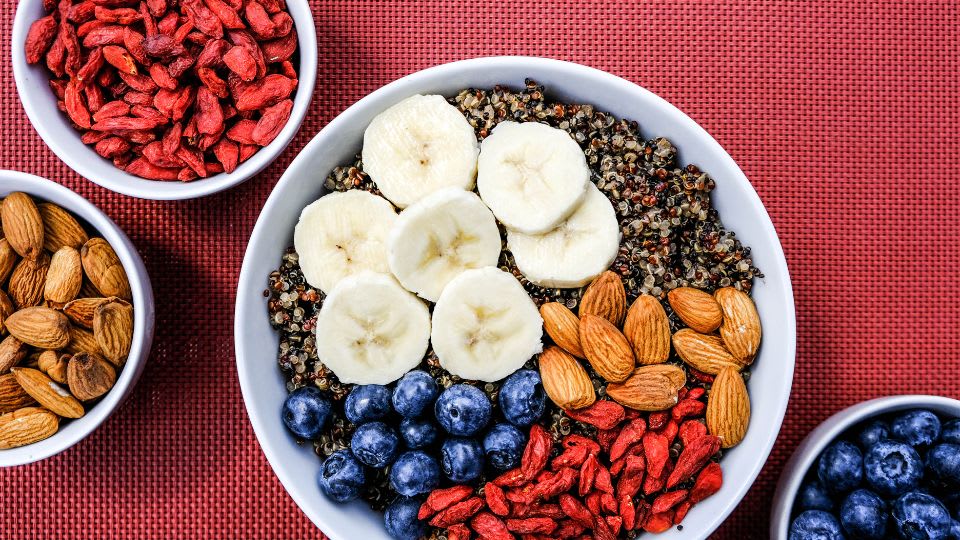
Energising breakfast quinoa bowl
Preparation time: 15 minutes | Serves: 1
Ingredients:
- ½ cup quinoa
- 1 cup water
- Assorted fresh fruits (berries, banana slices, kiwi)
- Mixed nuts (almonds, walnuts, pumpkin seeds)
- Drizzle of honey
Instructions:
- Rinse the quinoa thoroughly under cold water to remove bitterness.
- Bring 1 cup of water to a boil in a small saucepan.
- Add the rinsed quinoa, reduce heat to low, cover and simmer for 15 minutes until the water is absorbed and the quinoa is fluffy.
- Fluff with a fork and let cool slightly.
- Transfer to a bowl and top with fresh fruit and nuts.
- Drizzle with honey and serve immediately.
Why it works: Quinoa is a complete protein, delivering all nine essential amino acids. Paired with fruit for quick energy and nuts for healthy fats, this bowl sustains you through a morning meeting without the mid-morning crash that follows refined cereal or pastries.
Green goddess salad
Preparation time: 10 minutes | Serves: 2
Ingredients:
- 4 cups mixed leafy greens (spinach, rocket, kale)
- 1 ripe avocado, sliced
- 1 cup roasted chickpeas
- Handful of cherry tomatoes, halved
- 2 tablespoons tahini
- Juice of 1 lemon
- 1 clove garlic, minced
- Salt and pepper to taste
Instructions:
- Arrange the greens in a large bowl.
- Top with avocado slices, roasted chickpeas and cherry tomatoes.
- In a small bowl, whisk together tahini, lemon juice, garlic, salt and pepper. Add a tablespoon of water to thin if needed.
- Drizzle the dressing over the salad and toss gently.
Why it works: This salad delivers fibre, plant protein, healthy fats and a spectrum of micronutrients. The tahini dressing is rich and satisfying, transforming what could feel like "diet food" into a meal you actually crave.
Mediterranean stuffed bell peppers
Preparation time: 30 minutes | Cooking time: 25 minutes | Serves: 4
Ingredients:
- 4 large bell peppers (any colour)
- 1 cup quinoa
- 2 cups water or vegetable broth
- 1 pound lean ground turkey
- 1 small onion, diced
- 1 courgette, diced
- 1 cup cherry tomatoes, halved
- 2 cloves garlic, minced
- 1 teaspoon dried oregano
- 1 teaspoon dried basil
- ½ teaspoon dried thyme
- Salt and pepper to taste
- Olive oil
- Grated Parmesan (optional)
Instructions:
- Preheat oven to 190°C (375°F).
- Cut the tops off the bell peppers and remove seeds and membranes.
- Cook quinoa: bring 2 cups of water or broth to a boil, add quinoa, reduce heat, cover and simmer for 15 minutes. Set aside.
- In a large skillet, heat olive oil over medium heat. Sauté the onion until translucent.
- Add ground turkey and cook until browned, breaking it apart as it cooks.
- Add courgette, cherry tomatoes, garlic, oregano, basil, thyme, salt and pepper. Cook for 5 minutes until vegetables soften.
- Stir in the cooked quinoa and mix well.
- Stuff each bell pepper with the quinoa-turkey mixture and place in a baking dish.
- Bake for 25 minutes until the peppers are tender.
- Optionally, sprinkle with Parmesan in the final 5 minutes of baking.
Why it works: This dish is a complete meal in one vessel—lean protein, whole grain, vegetables and Mediterranean spices. It also travels well, making it ideal for meal prep or a work lunch the next day.
Creamy coconut lentil curry
Preparation time: 10 minutes | Cooking time: 30 minutes | Serves: 4
Ingredients:
- 1 cup red lentils, rinsed
- 1 can (400ml) coconut milk
- 2 cups vegetable broth
- 1 onion, diced
- 2 cloves garlic, minced
- 1 tablespoon fresh ginger, grated
- 1 tablespoon curry powder
- 1 teaspoon ground cumin
- 1 teaspoon turmeric
- 2 cups chopped vegetables (cauliflower, spinach, bell pepper)
- Salt to taste
- Fresh coriander for garnish
- Olive oil
Instructions:
- Heat olive oil in a large pot over medium heat. Sauté onion until soft.
- Add garlic and ginger and cook for 1 minute until fragrant.
- Stir in curry powder, cumin and turmeric. Toast the spices for 30 seconds.
- Add lentils, coconut milk and vegetable broth. Bring to a boil, then reduce heat and simmer for 20 minutes.
- Add chopped vegetables and cook for an additional 10 minutes until tender.
- Season with salt and garnish with fresh coriander.
- Serve over brown rice or with flatbread.
Why it works: Red lentils cook quickly, require no soaking and deliver plant-based protein and fibre. The coconut milk adds richness without dairy, and the spices offer anti-inflammatory compounds alongside bold flavour. This curry improves overnight, making it perfect for batch cooking.
How cooking together strengthens a nutrition balance lifestyle
Cooking is often framed as a solitary task—a chore to tick off between work and bed. But when approached as a shared activity, it becomes a vehicle for connection, learning and habit formation.
In our team-building sessions, we've seen participants who arrive claiming they "don't cook" leave with new skills, favourite recipes and—most importantly—confidence. Cooking alongside colleagues or friends normalises the trial-and-error process, demystifies unfamiliar techniques and transforms meal preparation from an obligation into an enjoyable routine.
Shared cooking also builds accountability. When a teammate asks "Did you make that curry we learned last week?", you're more likely to follow through. And when you cook together regularly—whether in person or via a virtual team building activity—you create a culture where healthy eating is the default, not the exception.
Measuring progress without obsessing over metrics
A nutrition balance lifestyle is not measured by kilograms lost or macros hit. Those metrics have their place, but they capture only a sliver of well-being.
Better indicators of balance:
- Energy levels throughout the day
- Quality of sleep
- Mood stability and resilience to stress
- Frequency of home-cooked meals
- Variety of foods eaten each week
- Strength, endurance or flexibility improvements
- Social connections around food and movement
Track these qualitatively in a journal or notes app. After a month, patterns emerge: certain meals leave you energised, others sluggish; movement before work improves your mood, evening exercise disrupts sleep. Use that data to refine your habits, not to judge yourself.
Why corporate teams invest in nutrition and connection
Forward-thinking organisations recognise that employee well-being is not a perk—it's infrastructure. Research by Gallup and Workhuman found that well-recognised employees were 45% less likely to have changed employers two years later, and McKinsey research links stronger workplace networks to higher sponsorship, belonging and engagement.
Cooking classes—whether in-person in Luxembourg or delivered virtually to distributed teams—offer a rare combination: skill-building, stress relief, team bonding and a tangible takeaway (the recipes) that participants use long after the event ends. They address multiple dimensions of well-being at once, in a format that feels generous rather than prescriptive.
In Luxembourg, where nearly half the workforce crosses borders daily and remote work is twice as common as the EU average, intentional connection events are not optional—they are how teams stay cohesive. A shared meal, prepared together, creates the social capital that no org chart or Slack channel can replicate.
Final thoughts: balance is a practice, not a destination
A nutrition balance lifestyle is not a finish line you cross. It's a set of habits, rhythms and values that you refine over time, adapting to new jobs, new cities, new family configurations and new challenges.
Some weeks you'll cook five nights in a row, move your body daily and sleep eight hours. Other weeks you'll survive on leftovers, skip the gym and stay up too late. Both are part of balance. The measure of success is not perfection—it's the ability to return to your baseline habits without shame or drama when life inevitably pulls you off course.
Start small. Choose one recipe from this guide and make it this week. Invite a friend or colleague to cook it with you, either in person or over video. Notice how you feel afterward—physically, mentally, socially. Then do it again next week, and the week after that.
Balance is built in small, repeated actions. The rest takes care of itself.
If your team would benefit from a structured, expertly hosted cooking experience that builds skills, connection and momentum toward healthier habits, explore our virtual team building cooking classes or our corporate cooking sessions in Luxembourg. We've guided hundreds of teams through this process—and we'd be glad to help yours.
Planning a team event?
ChefPassport runs hands-on cooking experiences for corporate teams — in person at Kachatelier, Luxembourg, and virtually worldwide. Instant price estimate on the site.
Frequently asked questions
Free guide
Team Building Menu & Pricing Guide
Menus, group sizes, formats and indicative pricing — everything you need to plan, in two PDFs. No spam, unsubscribe anytime.