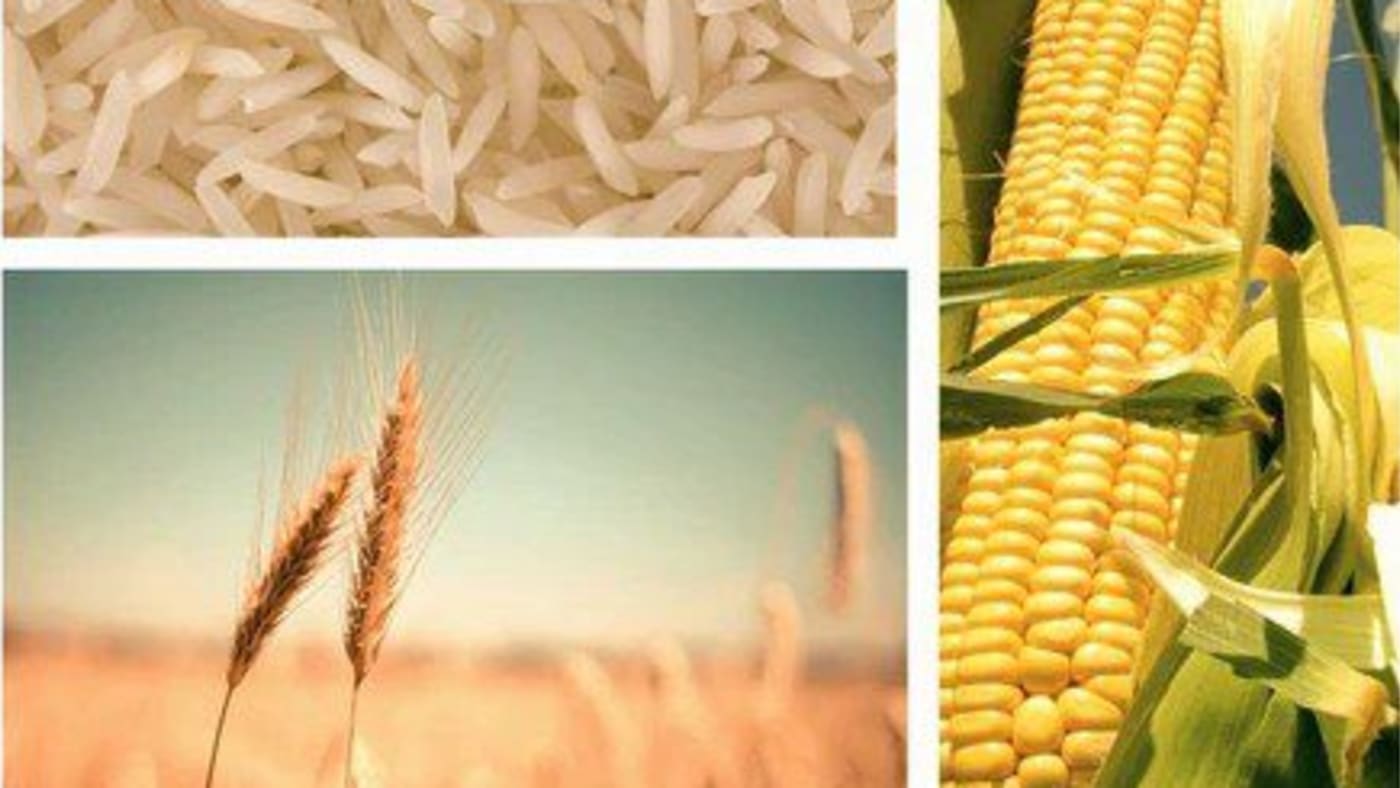
7.53 billion people are scattered in different parts of the world, but we are all depending primarily on three essential staples: corn, rice and wheat! Let’s see how our Chefs are incorporating these common staples into our online culinary courses and food adventures.
Maize or Corn for Online Culinary Courses
About 10,000 years ago, the Aztecs and Mayans domesticated this grain. Typically ground corn, or cornmeal, is processed in many different ways around the world – such as polenta in Italy, tortillas in Mexico, or sadza in Zimbabwe. Not only ground, maize can also be consumed by its kernels as cereals or directly from the cob. Not to mention corn starch, corn syrup, and fermented as the source of bourbon whiskey!
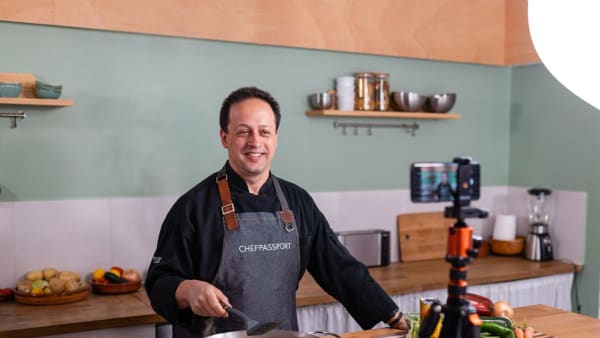
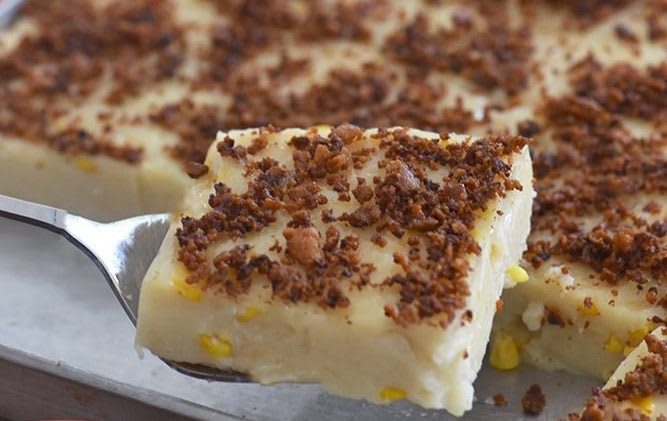
Learn how to be creative with corn and make Maja Blanca with Professional Chef Geronimo Flores in your online culinary course.
Rice
For thousands of years, rice has been cultivated across Asia, and now a signature staple around the world. The processing is quite similar in different cultures, but the grain length variety (long / medium / short) makes some differences for its purposes. For example, the medium grains are commonly used for Italian risotto or Spanish arròs negre; the long grains are good mixed with spices such as Indian biryani because the spice helps keep the rice fluffy and separated; and the short grains, which are stickier are perfect for rice puddings or Japanese sushi!
You already know the 20 Best Online Cooking Classes To Make You a Master Chef at Home
Wheat
Wheat was domesticated and cultivated in the Middle East’s Fertile Crescent dating back to 9600 BCE. It slowly spread around the world. Now, it occupies 218,000,000 hectares of fields, which is larger than any other crop. Wheat can be processed in various ways like flour, semolina, bugler/groats, and malt. How you might see wheat on your table: bread, pasta, noodles, porridge, muesli, cereals, cakes, cookies, and of course, beer and vodka!
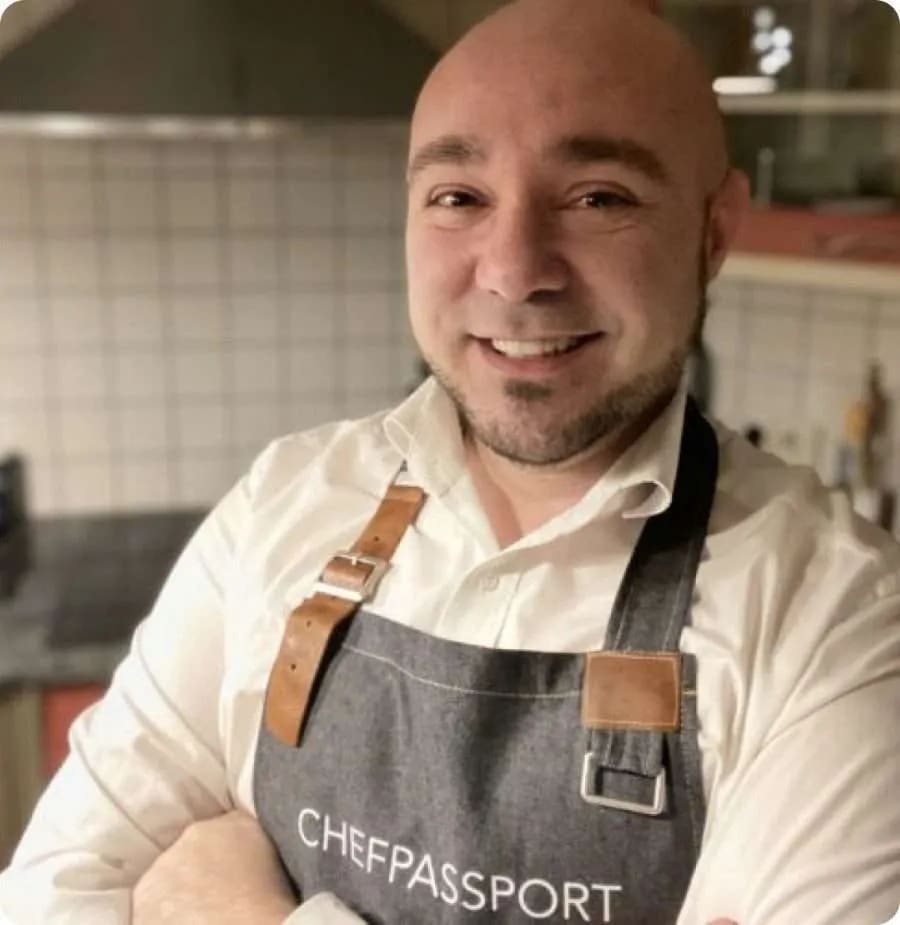
Learn how to cook with wheat and make Lachha dar Paratha with Professional Chef Farhan Ahmed in your online culinary course.

Now that we had a mini history lesson about the three most popular staples around the world, which one will you plan to master first with ChefPassport?
Planning a team event?
ChefPassport runs hands-on cooking experiences for corporate teams — in person at Kachatelier, Luxembourg, and virtually worldwide. Instant price estimate on the site.
Free guide
Team Building Menu & Pricing Guide
Menus, group sizes, formats and indicative pricing — everything you need to plan, in two PDFs. No spam, unsubscribe anytime.