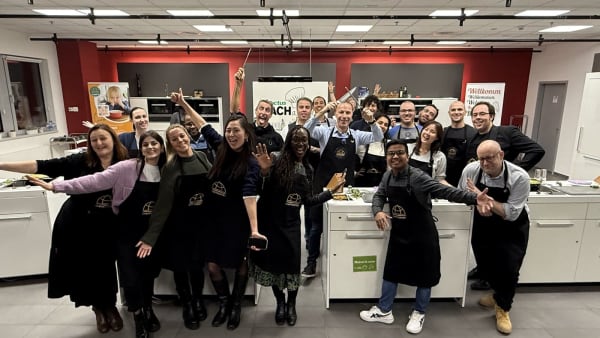

Organiser un team building in Luxembourg means planning a cohesion event that works for multilingual teams, dispersed cross-border workers, and a corporate culture that prizes inclusivity and professionalism. Whether you're an HR manager, office coordinator or assistant tasked with delivering an event in the next four to twelve weeks, your goal is simple: create an experience that genuinely connects people without resorting to clichéd paintball sessions or awkward trust falls.
This guide walks you through the practical steps, budget benchmarks, venue criteria and activity formats that work in Luxembourg's unique corporate landscape, drawing on our experience running hundreds of team building events in Luxembourg for teams ranging from twelve to sixty participants.
Key takeaways
- Start planning 4–8 weeks ahead; shorter timelines limit venue and format choice, especially in peak Q4 or June.
- Budget €60–120 per person for mid-range in-person events; cooking workshops and guided activities typically sit at €80–110.
- Choose venues within 20 minutes of Luxembourg-Ville or accessible by public transport to accommodate cross-border commuters.
- Prioritise inclusive, hands-on formats over passive or physically demanding activities to suit multilingual, multigenerational teams.
- Measure success by post-event participation rates, repeat requests and observable team interaction, not just attendance.
Why organiser un team building matters in Luxembourg's hybrid, cross-border workforce

Luxembourg's workforce is unusually distributed and multilingual. Research shows 47% of employees are cross-border workers, 27.3% sometimes work from home, and 12.7% work remotely most of the time—figures significantly higher than the EU average. That dispersion creates weak ties and missed connections that org charts can't fix.
At the same time, McKinsey research found that three in four cross-functional teams underperform on key metrics. Concentrated, well-designed team events can rebuild coordination and trust in ways that Slack channels and quarterly all-hands cannot.
A successful team building event in Luxembourg serves multiple purposes: reconnect hybrid colleagues, strengthen psychological safety, break down silos between departments, onboard new hires into the team culture, or simply restore morale after a demanding quarter. The format you choose should match the need.
Step 1: Define your objective and audience before choosing a format
The most common mistake when you organiser un team building is picking an activity first and reverse-engineering a rationale later. Start instead with two questions: What problem are we solving? and Who's coming?
If you're onboarding a new cohort, your priority is rapid trust-building and face-name recognition. If you're trying to repair strained relationships between tech and ops, you need structured collaboration that forces interdependence. If you're celebrating a successful product launch, the tone should be celebratory and low-pressure.
Next, map your audience constraints:
- Team size: 8–15 people work well for single-table activities; 20–40 require breakout formats; 50+ need modular, repeatable stations or facilitated sessions.
- Language mix: Many Luxembourg teams include French, German, English and Luxembourgish speakers. Choose activities with visual or tactile components, and confirm your facilitator can work multilingually.
- Physical ability: Avoid formats that exclude colleagues with mobility limits, injuries or simply low fitness. Cooking, creative workshops and problem-solving challenges are inherently more inclusive than obstacle courses or sports tournaments.
- Dietary and cultural considerations: Secular, ingredient-flexible formats (vegetarian, halal, kosher options) prevent anyone feeling singled out or left out.
Only once you've defined the objective and mapped the constraints should you start comparing activity formats.
Step 2: Set a realistic budget and timeline
In Luxembourg, typical per-person budgets for mid-range corporate team building events range from €60 to €120, depending on format, duration, catering and venue hire.
| Format | Typical cost per person | Duration | Notes |
|---|---|---|---|
| Guided cooking workshop | €80–110 | 2.5–3 hours | Includes ingredients, chef instruction, equipment, meal |
| Escape room (external venue) | €25–40 | 1–1.5 hours | Capacity limits; requires multiple bookings for large teams |
| Outdoor adventure (high ropes, orienteering) | €50–90 | Half day | Weather-dependent; excludes less mobile participants |
| Wine or beer tasting | €40–70 | 1.5–2 hours | Passive format; limited interaction |
| Facilitated workshop (strategy, innovation) | €60–100 | 2–4 hours | Requires skilled facilitator; can feel like work |
Timeline: Aim to book 4–8 weeks in advance. Popular venues and facilitators fill quickly in June (pre-summer) and October–December (year-end events). If you're working with a shorter window, expect reduced choice and higher urgency fees.
Budget for hidden costs: transport (shuttle from Luxembourg-Ville or parking reimbursement), AV rental if you're adding a short presentation, dietary accommodations, and a 10% contingency for last-minute headcount changes.
Step 3: Choose a venue that's accessible and appropriate
Venue accessibility matters more in Luxembourg than in most markets. Nearly half your attendees may commute from Belgium, France or Germany, and public transport timetables are unforgiving. Apply these criteria:
- Within 20 minutes of Luxembourg-Ville by car or direct bus/train. Windhof, Strassen, Bertrange, Hesperange and Niederanven are well-connected; more remote locations require dedicated shuttle transport.
- Adequate parking if attendees drive. Confirm capacity and whether parking is free.
- Flexible room layout: round tables for 6–8 encourage conversation; theatre-style rows kill interaction. Cooking venues need individual workstations or shared prep tables.
- Kitchen or catering facilities if food is part of the event. Many Luxembourg venues have no on-site kitchen; you'll need external catering or a format (like a cooking class) that brings its own equipment.
- Inclusive facilities: step-free access, accessible toilets, quiet breakout space for neurodiverse colleagues.
Our own venue, Kachatelier in Windhof, is purpose-built for team events: 15 minutes from the city, free parking, fully equipped teaching kitchen, and flexible table layouts for 12–50 participants. It's designed to remove logistical friction so teams can focus on the experience.
Step 4: Select an activity format that creates real interaction
The best team building activities share three traits: they require collaboration, they're accessible to all skill levels, and they create a tangible shared outcome. Avoid formats where people watch passively or compete so intensely that weaker performers disengage.
Cooking workshops: hands-on, inclusive, immediately rewarding
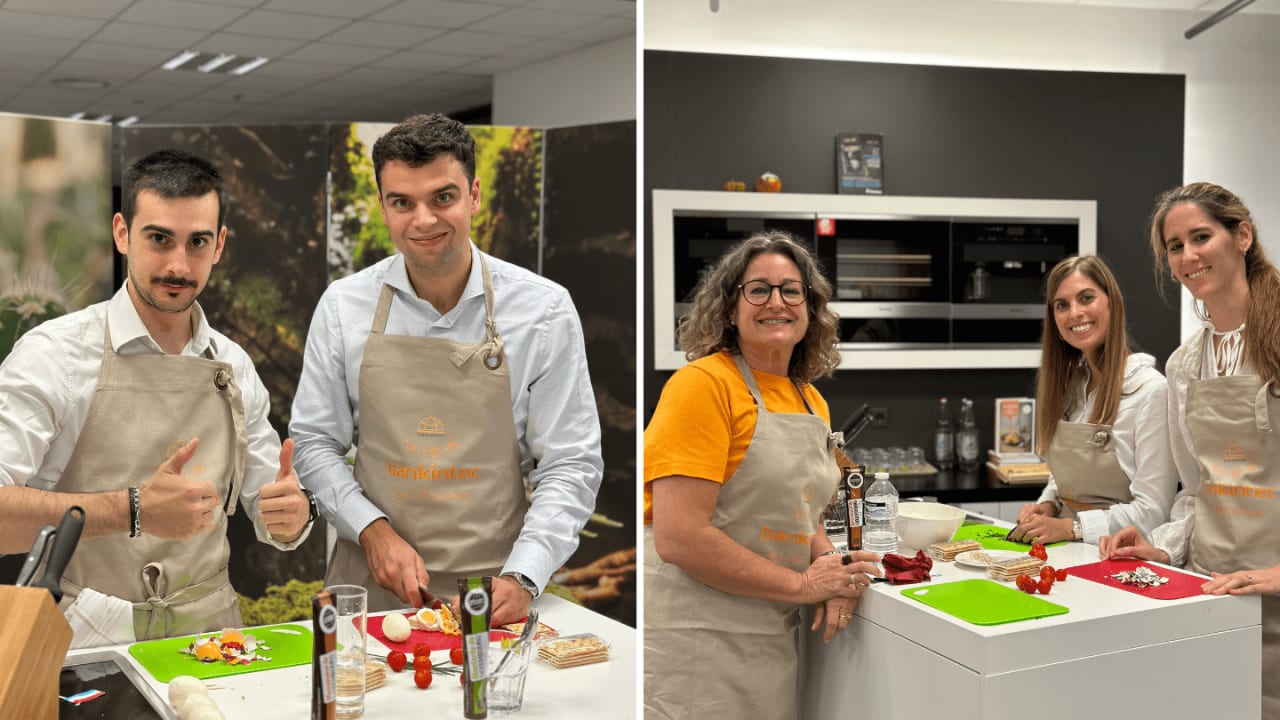
Cooking team building consistently delivers high engagement across diverse groups because it ticks every box. Participants work in small teams (3–5 people) to prepare a complete menu—Luxembourgish classics, Italian pasta from scratch, Asian dumplings or plant-based Mediterranean dishes—guided by a professional chef instructor who adapts in real time to skill levels and language preferences.
The format is intrinsically inclusive: you don't need prior cooking experience, physical fitness or language fluency to chop vegetables, stir a risotto or plate a dessert. Everyone contributes, everyone eats the result, and the atmosphere is informal enough that hierarchies soften naturally.
After running hundreds of corporate cooking classes in Luxembourg, we've observed that smaller breakout teams create more participation than large-group formats. A table of five preparing gnocchi talks more, laughs more and solves problems faster than a room of thirty watching a chef demo.
Problem-solving challenges: CSI games, creative builds, strategy simulations
Structured problem-solving formats—murder-mystery investigations, Lego Serious Play sessions, bridge-building challenges—work well when facilitated tightly. They surface communication styles, decision-making patterns and hidden strengths, and they're language-neutral if designed with visual cues.
The risk: if the debrief is skipped or rushed, the experience feels like a parlour game rather than a development opportunity. Budget time for reflection.
Creative workshops: pottery, painting, chocolate-making
Creative formats lower social anxiety and suit introverted teams. The shared focus on a craft task (shaping clay, decorating chocolates) provides a comfortable conversation scaffold. The downside: limited collaboration unless explicitly designed in pairs or small groups.
What to avoid: passive, exclusive or clichéd formats
Skip these unless you have strong evidence your specific team wants them:
- Paintball, laser tag, high-ropes courses: exclude colleagues with mobility issues, create embarrassment for the unfit, and often reward aggression over collaboration.
- Wine tastings or brewery tours without a hands-on element: passive; conversation happens despite the format, not because of it.
- Trust falls, human knot, blindfold exercises: feel infantilising to senior professionals and trigger discomfort around physical contact.
- Escape rooms for large teams: capacity constraints mean splitting into tiny groups with staggered start times, losing the shared-experience effect.
Step 5: Plan the logistics and communicate clearly
Organiser un team building succeeds or fails on logistics. Use this checklist:
- Send a calendar hold 3–4 weeks in advance with date, time (including end time so cross-border commuters can plan trains), location and a one-line description of the activity.
- Collect dietary requirements and accessibility needs via a simple form. Don't rely on managers to cascade this—ask directly.
- Confirm transport: share parking instructions, public transport routes and times, or arrange a shuttle. If the venue is unfamiliar, include a Google Maps link and a photo of the entrance.
- Set expectations about dress code and what to bring. For cooking events: closed-toe shoes, tie back long hair, remove jewellery; we provide aprons. For outdoor formats: weather-appropriate clothing, sun protection.
- Prepare a short welcome and close. A two-minute intro from a senior leader explaining why the company is investing this time grounds the event in purpose. A thirty-second thank-you at the end reinforces it.
- Plan photography and consent. Decide in advance whether you'll take photos for internal comms or social media, and get opt-in consent. Not everyone wants their face on LinkedIn.
Step 6: Facilitate inclusion and psychological safety on the day
The event day itself is where intention meets execution. Small design choices make a disproportionate difference to how safe and included people feel.
- Assign mixed teams deliberately if the goal is cross-functional connection. Random grouping is fine for pure fun; deliberate mixing works better for silo-breaking.
- Use name tags or table cards if the group includes new hires or cross-departmental attendees who don't all know each other.
- Brief facilitators or chefs on group dynamics: is there a new joiner who might feel shy? A recent tension between two managers? A colleague returning from parental leave? Context helps them adapt tone and pacing.
- Build in informal time. The best conversations happen during setup, plating and the shared meal—not during the structured activity. Don't over-schedule.
- Avoid forcing vulnerability or personal disclosure in icebreakers. "Share your biggest professional failure" might work in a leadership offsite; it's excruciating in a first team event.
Research links team cohesion and psychological safety to performance, learning behaviour and innovative output. Your job as organiser is to create the conditions where both can grow—starting with an event where people feel comfortable enough to try, laugh and mess up without judgment.
Step 7: Measure success beyond attendance
Attendance is not the same as engagement, and engagement is not the same as impact. After the event, look for these signals:
- Participation rate during the activity: Did everyone contribute, or did a few dominate while others withdrew?
- Post-event conversation: Do people reference the event in Slack, at lunch, in meetings? Shared inside jokes and callback references indicate a memorable experience.
- Repeat requests: If team members ask "When's the next one?" or suggest a similar format for another department, you've succeeded.
- Observable behaviour change: Do colleagues who didn't know each other now greet each other in the corridor? Do cross-functional project kick-offs feel less awkward?
Formal surveys can capture sentiment, but keep them short: two or three questions maximum. "What worked well?", "What would you change?" and "Would you recommend this format to another team?" cover the essentials.
Research shows that 40% of event organisers still struggle to prove ROI, down from 70% the previous year—buyers increasingly expect measurable outcomes. For internal team events, retention, collaboration quality and morale are your real ROI, not a post-event satisfaction score.
Why cooking workshops work exceptionally well in Luxembourg's corporate context
Cooking sits at the intersection of collaboration, creativity and comfort. It's a format we've refined over hundreds of events with multinational teams, and it solves many of the constraints unique to Luxembourg workplaces.
Language-neutral by design: Cooking techniques are visual and tactile. A chef can demonstrate how to fold dumplings or emulsify a vinaigrette in any language; participants learn by doing, not by following complex verbal instructions. We run sessions in English, French, German or a fluid mix, adapting in real time to the room.
Inherently inclusive: You don't need strength, speed or prior expertise. A graduate analyst and a senior director start on equal footing when neither has made fresh pasta before. Physical accessibility is high—workstations are counter-height, tasks are seated or standing by choice, and the sensory environment (aromas, textures, colours) is welcoming rather than overwhelming.
Creates a tangible shared outcome: At the end of the session, the team sits down together to eat what they've made. That transition from cooking to dining is powerful—hierarchy softens, conversation deepens, and pride in the collective result is immediate and visible.
Scales flexibly: We've run workshops for twelve-person leadership teams and fifty-person departmental events. The format adapts: smaller groups work on a complete multi-course menu; larger groups rotate through stations (appetiser, main, dessert) with staggered timings.
Ties to Luxembourg's food culture: Offering a menu rooted in Luxembourgish cuisine—Bouneschlupp, Judd mat Gaardebounen, quetschentaart—gives international team members a cultural touchpoint and shows local hires that their heritage is valued. It's a subtle but effective inclusion signal.
Common questions when you organiser un team building in Luxembourg
How far in advance should I book?
Book 4–8 weeks ahead for standard dates, 10–12 weeks for November, December or June. If your timeline is shorter, call directly—venues and facilitators sometimes have last-minute availability, but your format and menu choices will be narrower.
What if my team is fully remote or hybrid?
If your Luxembourg-based team includes permanent remote workers in other countries, consider a virtual cooking class where ingredient kits are shipped to participants' homes and a chef leads the session live over Zoom. It's less immersive than in-person but far more inclusive than asking someone in Porto to fly in for a two-hour event. For hybrid teams where most are local, run the core event in-person and stream a debrief or closing toast so remote colleagues can join the wrap-up.
How do I handle dietary restrictions?
Collect requirements early (via calendar invite or a Google Form) and share the full list with your venue or facilitator at least one week before the event. Good providers adapt menus ingredient-by-ingredient rather than preparing separate "special" meals that single people out. For cooking workshops, we design menus where vegetarian, vegan, gluten-free and halal variations are built into the stations, not bolted on.
What's the ideal group size?
12–24 people is the sweet spot for a single-room, single-facilitator event. Below twelve, the energy can feel flat; above thirty, you need breakout facilitation or modular station formats to maintain engagement. If your headcount is sixty-plus, consider splitting into two back-to-back sessions or running parallel activities in separate spaces.
Should I combine the team building with a meeting or presentation?
Only if the meeting is genuinely short (15–20 minutes maximum) and the team building is the headline act. If you sandwich a two-hour strategy review between a welcome coffee and a cooking class, participants will experience the event as "work with a side of fun" rather than a genuine investment in connection. Separate the two, or run the meeting in the morning and the team activity after lunch.
How do I get leadership buy-in for the budget?
Frame the investment in terms leadership already cares about: retention, collaboration speed and team performance. Research from Gallup and Workhuman shows that well-recognised employees were 45% less likely to have changed employers two years later. A €2,000 event for twenty people is a rounding error compared to the recruitment, onboarding and productivity cost of losing even one mid-level hire. Position it as retention infrastructure, not a perk.
Next step: co-create your event with a free 20-minute discovery call
Organiser un team building that genuinely connects people requires more than booking a venue and picking an activity from a list. It starts with understanding your team's specific mix of languages, experience levels, work patterns and the problem you're trying to solve.
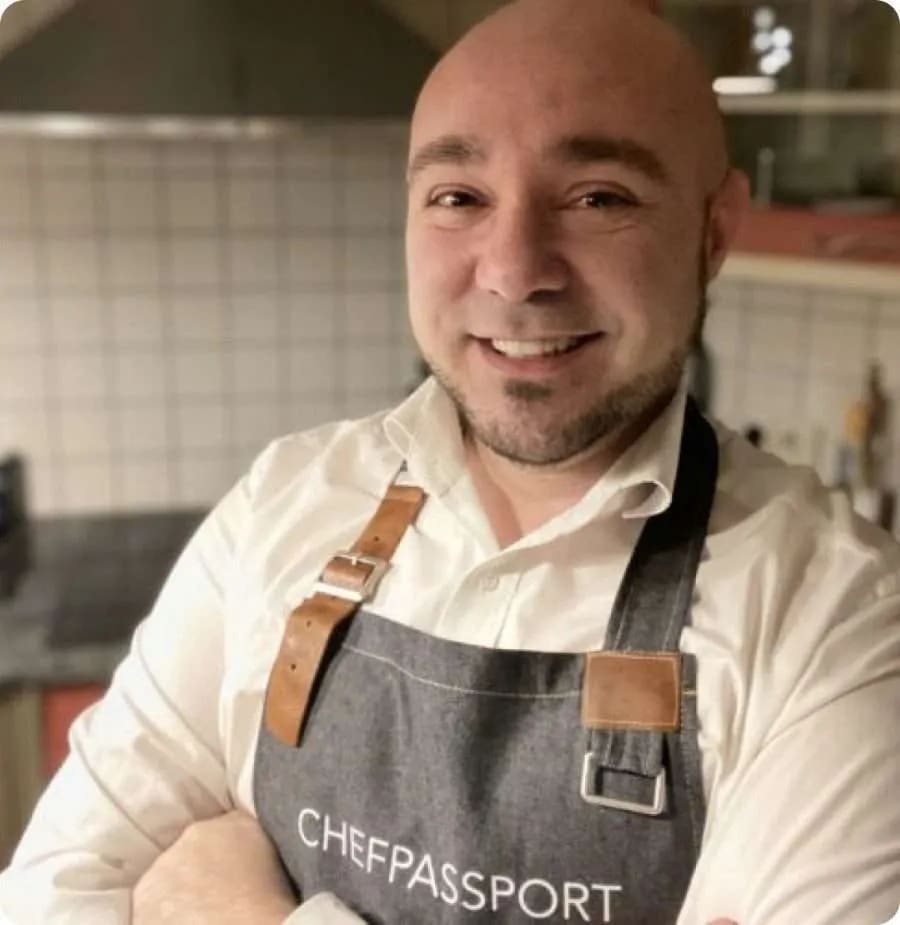
At ChefPassport, we've designed and delivered corporate team events for Amazon, the European Central Bank, Deloitte and over 200 Luxembourg-based companies. We know what works in multilingual, cross-border teams, and we know how to adapt a format on the day when the room's energy shifts.
If you're planning an event in the next three months, book a free 20-minute discovery call with our team. We'll discuss your objectives, constraints and budget, and sketch a tailored format—whether that's a hands-on cooking workshop at Kachatelier in Windhof, a virtual cooking class for distributed colleagues, or a hybrid event that brings both together.
No hard sell, no generic proposal deck—just a practical conversation about what will work for your specific team. Learn more about our Luxembourg corporate cooking classes or reach out directly to start planning.
Planning a team event?
ChefPassport runs hands-on cooking experiences for corporate teams — in person at Kachatelier, Luxembourg, and virtually worldwide. Instant price estimate on the site.
Frequently asked questions
Free guide
Team Building Menu & Pricing Guide
Menus, group sizes, formats and indicative pricing — everything you need to plan, in two PDFs. No spam, unsubscribe anytime.